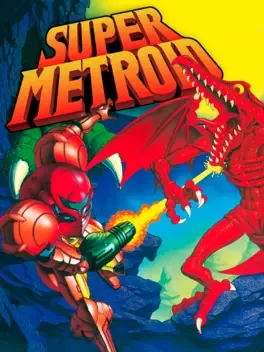
Super Metroid
Introduction
Often hailed as one of the greatest video games ever made, Super Metroid—also known by its development title, Metroid 3—redefined what was possible on the Super Nintendo Entertainment System. Released in 1994, it perfected the formula established by its predecessors, blending atmosphere, exploration, and action into a seamless cinematic experience that remains the gold standard for its genre. From the moment the eerie title theme begins, players are transported into a lonely, hostile alien world that feels alive and dangerous. It is a masterclass in game design, utilizing environmental storytelling and subtle cues to guide the player through a massive, interconnected labyrinth without the need for intrusive tutorials or dialogue.
Story & Setting
The narrative begins immediately after the events of the Game Boy title, Metroid II: Return of Samus. Bounty hunter Samus Aran has delivered the last remaining Metroid larva to the Ceres research station, hoping its energy-producing qualities can benefit civilization. However, the peace is short-lived. The Space Pirates, led by the terrifying Ridley, ambush the facility and steal the specimen. Samus follows the thieves back to the cave-riddled planet Zebes, the site of her previous battle against the Mother Brain.
The setting of Zebes is a character in itself. As Samus descends deeper into the planet, she traverses diverse biomes, from the rainy, overgrown jungles of Brinstar to the haunting, ghost-filled corridors of the Wrecked Ship and the fiery, oppressive depths of Norfair. The story is told through the environment; ruins of the ancient Chozo civilization provide both upgrades and mysteries, while the presence of the Space Pirates is felt in the high-tech laboratories and heavily guarded fortresses scattered throughout the subterranean world.
Gameplay
At its core, Super Metroid is a side-scrolling action-adventure that emphasizes non-linear exploration. Players guide Samus through a sprawling map, where progression is gated by abilities rather than traditional experience points or levels. This "lock and key" design requires players to find specific items to overcome obstacles. While classic gear like the Morph Ball and Screw Attack return, the game introduces incredible new additions.
The Grappling Beam allows Samus to swing across large chasms and navigate treacherous ceilings, while the X-Ray Scope reveals secret passages and breakable walls that would otherwise remain hidden. Combat is fast and fluid, requiring players to master an array of high-tech weaponry, including various beam types and missiles, to defeat a huge variety of enemies and massive bosses like the towering Kraid or the aquatic Draygon. The addition of a detailed in-game map system and the ability to fire in eight directions made the gameplay significantly more accessible and polished than previous entries in the series.
This classic title was originally released for the Super Nintendo but has since been made available on several modern consoles through digital storefronts and subscription services.
Legacy
The historical significance of Super Metroid cannot be overstated. Alongside Castlevania: Symphony of the Night, it is credited with spawning the "Metroidvania" genre, a style of gaming defined by its interconnected maps and ability-based progression. Its influence is seen in nearly every modern exploration-focused game, from massive AAA titles to indie hits.
Critics and fans alike consistently rank it at the top of "Best Games of All Time" lists due to its perfect pacing, atmospheric sound design, and lack of hand-holding. Furthermore, it remains a cornerstone of the speedrunning community. Because of its deep movement mechanics—such as the Shinespark and Wall Jump—skilled players can skip entire sections of the game, leading to a vibrant competitive scene that continues to find new tricks decades after the game's release.
Fun Facts
- Silent Storytelling: Aside from the brief opening narration, there is no spoken or written dialogue in the game. The entire story is told through gameplay and environmental cues.
- Hidden Teachers: If players get stuck, they can find friendly alien creatures called Etecoons and a Dachora who demonstrate how to use advanced moves like the Wall Jump and the Shinespark.
- Technical Marvel: For its time, the game was massive, utilizing a 24-megabit cartridge to accommodate its detailed sprites and high-quality orchestrated soundtrack.
- The Best Ending: To see Samus without her suit at the end of the credits, players must complete the entire game in under three hours.