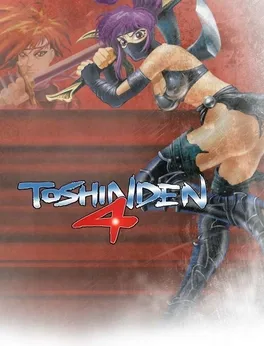
Toshinden 4
Introduction
Battle Arena Toshinden 4 arrived at a pivotal moment for the weapon-based fighting genre. As a direct sequel in a franchise that helped define the early 3D era of the PlayStation, this entry sought to push the boundaries of visual fidelity and combat mechanics. Known in Japan as Toshinden Subaru, the game represented a "soft reboot" of sorts, introducing a new generation of fighters while maintaining the core soul of the series. It promised an all-out battle where reflexes, skills, and timing were essential to overcome the diverse roster of adversaries. The game stands as a spectacular 3D combat tournament that goes beyond the limits, providing fans with a final, flashy chapter in the original saga that defined weapons-based brawling for a generation.
Story & Setting
Set approximately ten years after the climactic events of the third game, the narrative focus shifts away from the series' long-time protagonist, Eiji Shinjo. In his place stands Subaru, Eiji's nephew and a talented swordsman who has inherited much of his family's fighting spirit. The world has changed; the shadows of the sinister Organization have seemingly dissipated, yet a new tournament arises to test the mettle of the world's strongest warriors. This change in lead character allows the game to explore a more vibrant, almost "shonen" anime aesthetic compared to the gritty, dark atmosphere of its predecessors. The setting involves various incredible 3D locations that reflect the high stakes of this combat tournament, from urban landscapes to mystical, high-detail arenas that provide a cinematic backdrop to every encounter.
Gameplay
The gameplay of Toshinden 4 blends a wealth of stunning showcase moves with traditional weapon-based fighting mechanics that the series is known for. Players must navigate an incredible 3D space, utilizing lateral movement to dodge and counter-attack with precision. One of the most significant additions is the new "Overdrive" mode. This mechanic allows players to tap into their character's hidden potential to produce devastating combinations of moves, often accompanied by cinematic visuals that were quite impressive for the 32-bit hardware.
Furthermore, the game introduced an innovative team battle mode. Unlike the standard one-on-one matches found in previous entries, this mode creates a truly incredible battle royale environment where players can form teams of three. This adds a layer of strategy regarding character selection, team order, and health management. Every move and counter-attack is displayed in stunning detail, ensuring that the free-flowing fights remain engaging for both veteran players and newcomers alike. Mastery of timing is crucial, as the window for counter-attacks and parries is tight, rewarding those who can read their opponent's patterns and react with lightning speed.
This game was released on several platforms, specifically appearing on the Sony PlayStation in various international markets including Japan and Europe.
Legacy
The legacy of Battle Arena Toshinden 4 is often viewed through a lens of transition. As the last main entry in the primary Toshinden storyline, it marked the end of an era for Tamsoft and Takara's flagship fighter. While it faced stiff competition from titles like SoulCalibur and Tekken, it is remembered for its daring shift in art style and its attempt to revitalize the series' mechanics for a new audience. It remains a cult classic among weapon-based fighting enthusiasts, praised for its unique character designs and the "Overdrive" system that added significant flair and technical depth to the combat.
Fun Facts
- In Japan, the game was released under the title Toshinden Subaru, named after the new main protagonist.
- Despite the departure of Eiji Shinjo as the lead, he still appears as a powerful hidden character for players to unlock.
- The PAL version of Battle Arena Toshinden 4 is often sought after by collectors as it was one of the later releases for the original console in Europe.
- The game’s soundtrack is highly regarded for its blend of techno and rock, perfectly capturing the high-energy spirit of the tournament.