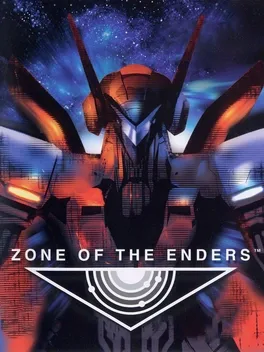
Zone of the Enders
Introduction
Zone of the Enders, often referred to by its shorthand ZOE, is a landmark title in the mecha action genre. Produced by the acclaimed Hideo Kojima, this game was designed to push the technical boundaries of the PlayStation 2 upon its release. Unlike traditional robot games that featured slow, lumbering machines, this title introduced Orbital Frames—high-tech units capable of breathtaking speed and fluid motion. Set against the backdrop of a futuristic space colony hijack, the game combines cinematic storytelling with frantic aerial combat, offering an experience that remains a standout in the library of early sixth-generation console games. It successfully blended state of the art PlayStation 2 graphics with a narrative depth that challenged players to think beyond the violence on screen.
Story & Setting
The narrative of Zone of the Enders is set in the year 2172, in an era where humanity has branched out into the solar system. The story centers on a young boy named Leo Stenbuck, an inhabitant of the Antilia colony orbiting Jupiter. When the colony is invaded by a ruthless military force known as BAHRAM, Leo accidentally finds himself piloting Jehuty, a powerful prototype mechanized robot. As he navigates the chaos of the space colony hijack, Leo is confronted with the harsh realities of war and sees the consequences of fighting first hand. The story delves deep into his growth as he learns the true meaning of life and death through his interactions with the ship's AI, ADA, and his various enemies. The title is frequently identified as Z.O.E among its dedicated fanbase.
Gameplay
The gameplay of Zone of the Enders is celebrated for its high-speed, three-dimensional combat. Players take control of Jehuty, maneuvering through environments with total freedom of movement. The core mechanics involve a dynamic mix of long-range shooting and intense laser-blade melee attacks with tons of weapons at the player's disposal. The game utilizes an involving storyline to guide players through various mission types, which range from escort tasks to direct boss confrontations. A unique feature is the dynamically changing mission structure, where the player's performance can influence the state of the colony and the survival of its inhabitants. Additionally, for those seeking competitive play, a dedicated versus mode for two players allows for mecha-on-mecha duels, expanding the replayability of the experience.
This game was released on several platforms, though it is most famously associated with its original home on the PlayStation 2.
Legacy
The legacy of Zone of the Enders is substantial, influencing the design of future mecha games and solidifying Hideo Kojima's reputation outside of the stealth genre. While many originally purchased the game to get their hands on the playable demo of Metal Gear Solid 2: Snake Eater included in first-run production copies, they stayed for the revolutionary combat. The aesthetic developed by Yoji Shinkawa and the fluid animation of the Orbital Frames set a high bar for visual fidelity on the PlayStation 2. Its impact led to a highly praised sequel and various high-definition remasters, ensuring that Jehuty remains an iconic figure in gaming history. It proved that fast-paced action and philosophical storytelling could coexist within the mecha genre.
Fun Facts
- The game included a legendary playable demo of Metal Gear Solid 2: Snake Eater, which was a massive draw for fans and significantly boosted the game's initial visibility.
- Despite its futuristic setting, the game's title and certain mythological references within the names of the Orbital Frames draw heavy inspiration from various cultural and biblical themes.
- Zone of the Enders (ZOE) features a soundtrack that blends electronic music with orchestral elements, composed by a team known for their work on other Konami masterpieces.
- The character Leo Stenbuck is often cited as a unique protagonist for a mecha game, as his reluctance to fight provides a stark contrast to the typical heroic pilot tropes found in the genre.
- All first-run production copies were sought after not just for the game itself, but for the glimpse into the future of the Metal Gear series.