Found 1 item(s) for sale
-
Games
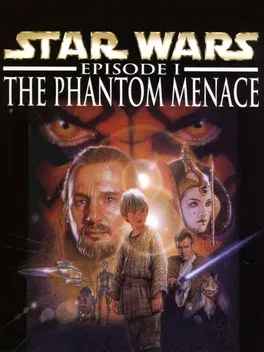
Star Wars Episode I: The Phantom Menace
Seller: retrogameplace
Country of origin: Spain
Status: loose
Image ofSend a Message to
The year 1999 marked a seismic shift in the Star Wars universe with the release of the first prequel film. Alongside the cinematic debut, LucasArts released Star Wars Episode I: The Phantom Menace, an ambitious action-adventure title that allowed fans to step into the boots of their favorite Jedi. Unlike many tie-in games of the era, this project aimed to provide a comprehensive narrative experience, blending lightsaber combat with RPG-lite dialogue systems and intricate level design. It was a massive undertaking that sought to capture the scope of George Lucas's vision, inviting players to participate in the events that would eventually lead to the rise of the Galactic Empire. This title remains a fascinating look at how developers tried to translate the high-octane energy of the movies into an interactive home experience.
The game closely follows the plot of the film, beginning aboard the Saak'ak, the Trade Federation Lucrehulk-class battleship where the initial negotiations go wrong. Players navigate through the swamps of Naboo, the sprawling, ornate streets of Theed, the desolate sands of Tatooine, and the high-tech urban landscape of Coruscant. The narrative depth is impressive for a movie tie-in, as it fleshes out moments only briefly glimpsed on screen, allowing players to explore the politics and diverse environments of the Galactic Republic in its twilight years. From the depths of the Gungan city of Otoh Gunga to the perilous podracing circuit of Mos Espa, the setting is meticulously crafted to make the player feel like they are truly part of the Star Wars mythos during the invasion of Naboo. The story also introduces the looming threat of the Sith, building tension as the characters escort Queen Amidala to the galactic capital.
Played primarily from a third-person overhead perspective, the gameplay is varied and multifaceted, blending traditional action with puzzle-solving elements. Players rotate through four main characters: Qui-Gon Jinn, Obi-Wan Kenobi, Queen Amidala, and Captain Panaka. Jedi-focused levels emphasize lightsaber combat, where players must time their attacks to deflect blaster bolts and utilize Force powers like Force Push to manipulate the environment or stagger enemies. Conversely, levels featuring Amidala or Panaka rely more on blaster precision, tactical movement, and gadget use. A unique feature for the time was the inclusion of a dialogue tree system. This allowed players to interact with various NPCs, gather essential information, negotiate with shopkeepers like Watto, or even bribe characters to progress through certain segments without combat. This added a layer of depth and player agency often missing from standard action titles of the period, requiring more than just quick reflexes to succeed.
This game reached a wide audience across different regions and systems, becoming a staple of late 90s gaming collections. Whether players knew it as Star Wars: Episode 1 - The Phantom Menace or by its international titles like Star Wars Episodio I: La Amenaza Fantasma, Star Wars Episode 1 The Phantom Menace, and Star Wars Episode 1 : La Menace Fantôme, the game was highly accessible for fans worldwide. It was primarily developed for the PC and the original PlayStation console, offering slightly different graphical experiences on each hardware platform.
While it received mixed reviews from critics for its high difficulty spikes and occasionally challenging camera angles, its legacy is cemented in the nostalgia of millions of fans. It was a massive commercial success, fueled by the intense Star Wars fever of the late nineties. The game is particularly remembered for its atmospheric sound design, which utilized John Williams' iconic score, including the legendary Duel of the Fates. The inclusion of original voice work and authentic sound effects provided by Skywalker Sound brought the movie's characters and technology to life in a way few other games had managed at the time. Today, it is remembered as a bold, if flawed, attempt to push the boundaries of movie-to-game adaptations, paving the way for more complex narrative-heavy Star Wars titles in the future.
One of the most infamous and humorous aspects of the game is the player's ability to attack friendly NPCs. While attacking a major character like Jar Jar Binks or a random Naboo citizen would immediately result in a Mission Failed screen—often accompanied by a stern lecture from a Jedi Master about the Jedi Code—it became a popular past-time for frustrated players. Additionally, the PC version of the game featured significantly higher resolution textures and better performance compared to the PlayStation version, which often struggled to maintain a steady frame rate during the game's more expansive environmental sequences. Another interesting bit of trivia is that several levels were designed based on early concept art for the film that was either modified or removed from the final cut of the movie, giving players a rare look at the creative process behind Episode I.
Games
Star Wars Episode I: The Phantom Menace
Seller: retrogameplace
Country of origin: Spain
Status: loose