Found 1 item(s) for sale
-
Games
Send a Message to
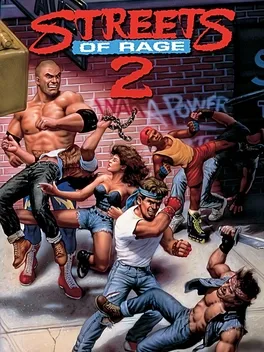
When discussing the absolute pinnacle of the beat 'em up genre, one title consistently rises to the top: Streets of Rage 2. Released during the height of the 16-bit console wars, this title—known as Bare Knuckle II in its native Japan—defined an entire generation of side-scrolling action. It was far more than a simple sequel; it was a total overhaul that expanded the character roster, refined the combat mechanics, and delivered an aesthetic experience that remains unmatched even decades later. Whether you first experienced it as Bare Knuckle 2 or the later Streets of Rage 2 Classic, the game’s impact on gaming culture is undeniable. It stands as a masterclass in game design, balancing challenge and fun with a style that screams 1990s urban grit.
The narrative picks up exactly one year after the events of the original game, where peace was seemingly restored to the city. However, that peace is shattered when Mr. X and his criminal Syndicate return from the shadows, more powerful and vengeful than before. In a bold and personal move, the Syndicate kidnaps Adam Hunter, one of the original heroes, to lure his allies into a trap.
Axel Stone and Blaze Fielding are forced back into the fray to save their friend. This time, they aren't alone; they are joined by Adam’s younger brother, Sammy "Skate" Hunter, and Axel’s close friend, the professional wrestler Max Thunder. This gritty urban odyssey, often subtitled in Japan as Bare Knuckle II: Shitou he no Chingonka (or Bare Knuckle II: The Requiem of the Deadly Battle), takes the players through neon-lit streets, secret shipyards, and high-tech hideouts to dismantle the Syndicate and destroy Mr. X once and for all.
The gameplay of Streets of Rage 2 represents a significant leap forward in complexity. The most notable change from the first installment was the replacement of the "Police Backup" mechanic with unique "Special Attacks" for each character. These moves allowed for greater tactical flexibility but came at a cost of a small portion of the player’s health, adding a crucial layer of risk and reward.
Each of the four characters offers a distinct playstyle. Max is the heavy hitter with devastating grapples, Blaze provides balanced agility, Axel offers powerful martial arts, and Skate brings high speed and unique aerial mobility. The inclusion of these diverse archetypes ensured that every cooperative playthrough felt unique. Players navigate through eight grueling stages, utilizing found weapons like pipes, knives, and katanas to fend off waves of punks, ninjas, and robots. The refined hit detection and fluid animations made it a benchmark for every brawler that followed.
This game was released on several platforms, including the Sega Mega Drive/Genesis, and has been ported to numerous modern consoles over the years.
The legacy of Streets of Rage 2 is perhaps most famously tied to its soundtrack. Composed by the legendary Yuzo Koshiro and Motohiro Kawashima, the game’s music blended house, techno, and breakbeat in a way that pushed the hardware's sound chip to its absolute limits. To this day, the music is celebrated in live concerts and prestigious vinyl reissues. Critically, the game is frequently cited as one of the greatest video games of all time. It perfected the "city in chaos" atmosphere and provided a template for local co-operative play that modern indie developers still emulate today.
Games