Killzone
Introduction
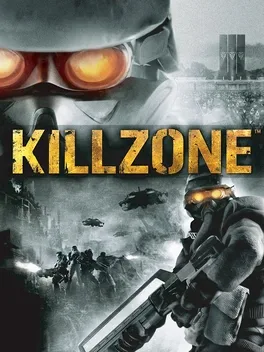
Killzone is a seminal first-person shooter that carved out a unique space in the crowded sci-fi landscape of the early 2000s. Developed by the Amsterdam-based Guerrilla Games, it arrived with massive expectations, often colloquially referred to by the titles 'KZ' or 'KZ1' by its dedicated community. From the moment players first witnessed the haunting orange glow of the Helghast eyes through the smoke of a war-torn world, it was clear that this was not a generic space marine adventure. It was a gritty, visceral depiction of planetary war that focused on atmosphere and world-building as much as it did on gunplay, establishing a franchise that would become a cornerstone of the Sony PlayStation library.
Story & Setting
The story of Killzone is a tale of two factions: the Interplanetary Strategic Alliance (ISA) and the Helghast Empire. The Helghast were once humans who colonized the hostile planet of Helghan. The extreme conditions there physically altered them and fueled a deep-seated resentment toward Earth and its colonies. Under the charismatic yet tyrannical rule of Scolar Visari, the Helghast launched a surprise invasion of the lush ISA colony world, Vekta. Players take on the role of ISA Captain Jan Templar as he attempts to repel the invasion, uncovering a plot of betrayal and high-stakes military espionage. The setting is masterfully realized, blending futuristic technology with a World War II-inspired aesthetic that feels lived-in and brutal.
Gameplay
The standout feature of Killzone's gameplay is its multi-protagonist system. Rather than sticking with a single hero, players can choose from four different characters, each possessing distinct strengths and weaknesses. Jan Templar is the versatile leader; Luger provides a stealthy approach with her silenced submachine gun and ability to crawl through vents; Rico Velasquez is a walking tank equipped with a massive machine gun; and Gregor Hakha is a half-Helghast operative who can use Helghast weaponry and access restricted areas. This choice fundamentally changes the tactical approach to many missions.
The game also featured a robust multiplayer suite. Up to sixteen players could engage in intense battles across eight maps. The modes were comprehensive, featuring Deathmatch, Team Deathmatch, Assault, Defend and Destroy, Supply Drop, and Domination. Although the official online servers have been closed for years, the memories of those early battles remain a significant part of its history.
Killzone was originally designed to push the hardware limits of its generation, showcasing what could be achieved with dedicated console optimization. It remains a classic example of technical ambition on the platform it was born on.
Legacy
The legacy of Killzone is complex and fascinating. It was famously dubbed the "Halo Killer" by the gaming press, a label that set an incredibly high bar for the debut title. While it faced some technical criticisms regarding frame rates on the original hardware, it successfully launched a blockbuster franchise. Guerrilla Games used the lessons learned here to create several high-quality sequels on subsequent consoles, eventually pivoting to the critically acclaimed Horizon series. Today, 'KZ1' is viewed as a foundational text in Sony’s first-party history, proving they could produce a high-fidelity FPS with a deep, dark narrative.
Fun Facts
Interesting trivia about the game includes its international reach, particularly in China where it is known as '杀戮地带'. Additionally, the iconic Helghast design was inspired by a mix of historical military uniforms and gas masks, intended to make them look both human and alien simultaneously. The developers also famously focused on the "weight" of the player character, ensuring that movement felt grounded and realistic rather than the "floaty" sensation common in other shooters of the era. This dedication to immersion helped 'KZ' stand the test of time as a cult classic.