Found 5 item(s) for sale
-
Games
Send a Message to
-
Games
Send a Message to
-
Games
Send a Message to
-
Games
Send a Message to
-
Games
Send a Message to
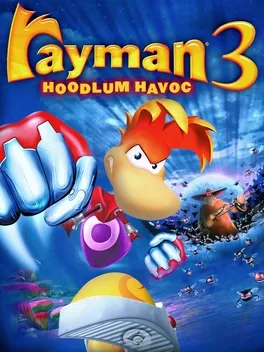
When it comes to the pantheon of 3D platformers from the early 2000s, few titles possess the sheer charisma and irreverent energy of Rayman 3: Hoodlum Havoc. Developed and published by Ubisoft, this third major installment in the beloved franchise marked a significant tonal shift for the series. Moving away from the dream-like, whimsical atmosphere of its predecessor, the game embraced a sarcastic, self-aware, and action-packed identity. Often referred to simply as Rayman 3, this entry solidified the status of our limbless hero as a versatile mascot capable of handling both lighthearted exploration and high-octane combat. It remains a technical marvel of its era, boasting vibrant visuals and a level of polish that has allowed it to age remarkably well.
The narrative of Hoodlum Havoc is as hilarious as it is bizarre. The story kicks off when a Black Lum named André—a creature of pure malice—begins transforming peaceful Red Lums into an army of fuzzy, burlap-wearing soldiers known as Hoodlums. In the midst of the chaos, Rayman’s bumbling best friend, Globox, accidentally swallows André. This sets the stage for a grand adventure where Rayman must escort Globox through various fantastical lands to find a healer capable of removing the evil Lum from his stomach. Along the way, the limbless hero must stop the Hoodlum army from taking over the world. The writing is sharp and frequently breaks the fourth wall, poking fun at video game tropes and the characters' own history, making the journey feel like a playable Saturday morning cartoon with a slightly edgy twist.
While previous entries focused heavily on precision platforming, Rayman 3: Hoodlum Havoc places a much greater emphasis on combat and a dynamic scoring system. The core mechanics are built around the "Laser Washing Powder" cans—temporary power-ups provided by the Hoodlums' own supplies. These cans grant Rayman combat superpowers, such as the Vortex (allowing him to spin enemies into the ground), the Heavy Metal Fist (for massive damage and breaking down doors), and the Shock Rocket (a remote-controlled projectile).
Each level is designed as a series of combat and traversal puzzles where players must maximize their score by performing actions in quick succession. This combo-based scoring adds a layer of depth that encourages replayability, as players strive to achieve higher ranks. From the murky swamps of the Land of the Livid Dead to the high-tech machinery of the Hoodlum Headquarters, the level design remains varied, keeping the gameplay loop fresh and engaging through to the final boss encounter.
This game was released on several platforms, including the Xbox, PlayStation 2, and Nintendo GameCube, ensuring that fans of all major consoles could join the adventure.
Rayman 3: Hoodlum Havoc is often debated among the fan base for its departure from the tone set by Michel Ancel, the series' creator, who was less involved in this project than previous ones. However, over time, the game has earned a reputation as a cult classic. Its unique blend of humor, high-speed action, and imaginative art direction earned it critical acclaim at launch. The game’s legacy lives on through various HD remakes and its influence on later Ubisoft titles. For many, it represents the peak of 3D platforming variety, proving that Rayman could adapt to a more cynical and fast-paced gaming landscape without losing his inherent charm.
Games
Games
Games
Games
Games