Found 3 item(s) for sale
-
Games
Send a Message to
-
Games
Send a Message to
-
Games
Send a Message to
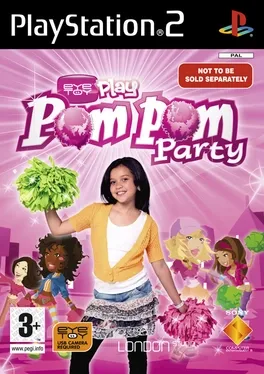
In the mid-2000s, the PlayStation 2 revolutionized the way we interacted with video games through the EyeToy USB Camera. Among the diverse library of motion-controlled titles, EyeToy Play: PomPom Party stands out as a high-energy, rhythm-based experience that brought the spirit of cheerleading into living rooms across the globe. Released during the height of the "party game" craze, this title wasn't just about pressing buttons; it was about physical movement, coordination, and, most importantly, having fun with friends and family. It offered a unique way for players to get active while engaging with the burgeoning technology of computer vision in gaming.
Unlike narrative-heavy RPGs or action-adventure epics, EyeToy Play: PomPom Party focuses on the atmosphere of a high-stakes cheerleading camp and a vibrant dance floor. The setting is bright, colorful, and energetic, designed to mimic the high-octane environments of professional cheerleading squads. Players are cast as aspiring cheerleaders aiming to rise through the ranks and become the coolest cheerleader around. The game provides a cheerful, encouraging environment where the primary goal is to master the art of the pompom routine, traveling through various stages that test your timing and flair to the groove of the music.
The core gameplay of EyeToy Play: PomPom Party is a unique blend of rhythm action and motion tracking. What made this package particularly special was the inclusion of a real set of physical pompoms. These weren't just for show; the EyeToy USB Camera was specifically calibrated to track the movement and color of these pompoms as players waved them in front of the screen.
Following the directions on-screen, players must time their movements to the beat of a diverse soundtrack. As icons float across the display, you must move your pompoms to the corresponding positions—be it high, low, left, or right. The camera detects the speed and accuracy of these movements, translating your real-world effort into in-game scores. The game features multiple difficulty levels, ensuring that both beginners and seasoned rhythm game veterans can find a challenge. Beyond the main routines, there are also several mini-games and multiplayer modes, allowing players to compete head-to-head or cooperate in synchronized routines, making it a staple for social gatherings and birthday parties.
This game was released exclusively for the PlayStation 2, catering to the massive install base of Sony's second home console across several regions.
EyeToy Play: PomPom Party is remembered as part of the broader EyeToy Play series developed by London Studio. It represented a successful experiment in peripherals, pre-dating the massive motion-control boom of the Nintendo Wii and the later PlayStation Move. While it may not have the global name recognition of SingStar or Buzz!, it contributed significantly to the "active gaming" movement, encouraging players to stand up and move rather than remain seated. For many who grew up in the PS2 era, the game remains a nostalgic reminder of the experimental and social nature of early 21st-century gaming.
Games
Games
Games