Found 2 item(s) for sale
-
Games
Send a Message to
-
Games
Send a Message to
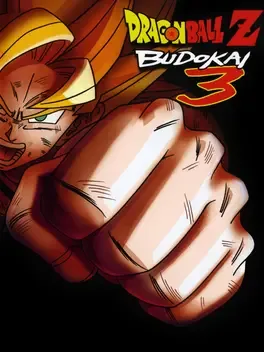
Dragon Ball Z: Budokai 3 stands as a monument to the golden era of PlayStation 2 anime games. Often referred to by fans as DBZ: Budokai 3 or simply B3, this third installment took the 2.5D fighting mechanics of its predecessors and elevated them to a level of cinematic intensity previously thought impossible. For many who grew up during the early 2000s, Dragon Ball Z 3 was the definitive way to experience the thrills of the Z-Fighters' battles. It wasn't just a sequel; it was a comprehensive celebration of the entire franchise, blending technical combat with an obsessive attention to detail that satisfied both hardcore fighting game enthusiasts and casual fans of the show. By refining the "Budokai" formula, the developers created a title that remains a high-water mark for the property to this day.
The narrative of the game is primarily delivered through the "Dragon Universe" mode, which was a revolutionary step for the series at the time. Instead of selecting battles from a linear menu, players choose a specific character and fly freely over a 3D-rendered world map of Earth or Namek. This sense of exploration allows players to discover "What If" scenarios, collect hidden Dragon Balls, and find skill capsules to power up their fighters. The setting spans the entirety of the Z-era, from the arrival of Raditz to the climactic showdown with Kid Buu. Furthermore, the game ventures into the territory of Dragon Ball GT and various feature films, offering a massive scope that captures the adventurous spirit and high-stakes tension of the anime.
Mechanically, DBZ:B3 introduced several innovations that defined the series. The core of the new fighting system is speed and mobility. The addition of the "Vanish" or teleportation mechanic allowed players to zip behind an opponent mid-combo, perfectly mimicking the high-speed choreography of the animated series. The "Hyper Mode" mechanic added a layer of strategic depth, allowing players to trade their Ki for increased power and access to cinematic "Dragon Rush" sequences or devastating "Ultimate Attacks."
With a roster featuring 40 bonus characters to unlock, the variety is staggering. Players can juggle opponents in the air, engage in intense beam struggles, and fly freely across the battlefield. Another unique feature was the ability to share character profiles over the Internet. By generating and retrieving specific password codes, fans could trade their customized, leveled-up character builds with friends and rivals across the globe, adding a community element that was ahead of its time for console gaming.
This title was a definitive experience on the PlayStation 2, seeing widespread releases across PAL and NTSC regions to satisfy a global fanbase during the console's peak years.
The legacy of Dragon Ball Z: Budokai 3 is undeniable. It is frequently cited in "Best of" lists for the franchise, often competing for the top spot against modern hits like Dragon Ball FighterZ. Critics at the time praised its cel-shaded graphics, which bridged the gap between gaming and animation, and its deep customization system. Its influence can be felt in nearly every subsequent Dragon Ball game, particularly in how movement and high-speed teleportation are handled. The game's enduring popularity was confirmed when it was remastered as part of the Budokai HD Collection, allowing a new generation of fans to experience the pinnacle of the Budokai trilogy.
Games
Games