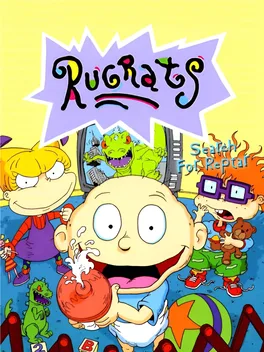
Rugrats: Search for Reptar
Introduction
For many children of the 1990s, Nickelodeon’s Rugrats was a cornerstone of Saturday morning entertainment. In 1998, that animated magic was brought to life in three dimensions with the release of Rugrats: Search for Reptar. Developed by n-Space and published by THQ, this title served as the franchise's debut in the video game world. Known in other regions as Rugrats: La Búsqueda de Reptar and Les Razmoket : À la recherche de Reptar, the game successfully captured the whimsical, perspective-shifting charm of the television series. It invited players to step into the tiny shoes of their favorite toddlers, blending exploration with the surreal imagination that made the show a global phenomenon.
Story & Setting
The narrative centers on the brave and resourceful Tommy Pickles. After acquiring a magnificent twelve-piece jigsaw puzzle featuring the iconic green dinosaur, Reptar, Tommy is devastated to find that eleven of the pieces have gone missing. Scattered throughout the Pickles' household and the surrounding neighborhood, these pieces represent the ultimate treasure for the babies.
The setting is a delightful recreation of the show's most familiar locales. From the sprawling expanse of the Pickles' living room to the sun-drenched backyard and the mysterious depths of the local supermarket, the game transforms everyday environments into grand adventures. Each area is presented through the lens of a toddler’s imagination, where a simple trip to the basement or a visit to a toy store becomes an epic quest filled with obstacles and wonder.
Gameplay
Rugrats: Search for Reptar is a 3D platforming adventure that emphasizes exploration and variety. The game features 14 distinct levels, many of which are directly inspired by classic episodes of the cartoon, such as "Chuckie's Glasses" and "Grandpa's Teeth." To access these stages, players navigate Tommy around the Pickles' house—serving as a central hub—and interact with specific objects that trigger memories of the babies' past adventures.
While Tommy is the primary protagonist, players also get the chance to control other members of the gang, including Chuckie Finster, Phil, and Lil DeVille. The core objective in most levels is to locate a missing puzzle piece, but the tasks involved vary wildly. Some stages require light platforming, while others involve hide-and-seek or racing mechanics. Interspersed throughout the main levels are bonus stages where players can collect "Reptar Bars" for extra points.
The game also features a Training Mode to help younger players get accustomed to the 3D controls, an Activity Mode for quick minigames, and a Multiplayer Mode that includes a Rugrats-themed mini-golf game. While the initial levels are accessible, more difficult stages must be unlocked by collecting a specific number of puzzle pieces, providing a steady sense of progression.
This game was released during the height of the 32-bit era and was a significant title for home console players looking for family-friendly content.
Legacy
Despite receiving mixed reviews from critics—who often cited the camera angles and controls as challenging—Rugrats: Search for Reptar was a massive commercial success. It became one of the best-selling games on its platform, eventually earning a spot in the "Greatest Hits" and "Platinum" budget ranges. Its success proved that there was a hungry market for high-quality licensed games based on children's television, leading to several sequels and spin-offs.
For fans, the game remains a nostalgic artifact that perfectly preserved the voice acting, music, and visual style of the original Klasky Csupo animation. It stands as a testament to the era when 2D icons first made their awkward, yet endearing, leap into 3D environments.
Fun Facts
- The game features the original voice cast from the television show, ensuring that Tommy, Chuckie, and Angelica sound exactly as they do on screen.
- The mini-golf activity was so popular with fans that it became a staple feature in subsequent Rugrats game releases.
- If you look closely at the backgrounds in certain levels, you can find numerous Easter eggs referencing early episodes of the series that weren't necessarily turned into full levels.