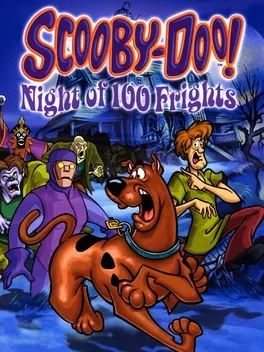
Scooby-Doo! Night of 100 Frights
Introduction
The early 2000s were a golden age for licensed platformers, and few titles captured the essence of their source material as effectively as Scooby-Doo! Night of 100 Frights. Released in 2002, this title marked the beloved Great Dane's debut on sixth-generation consoles, bringing the mystery-solving dog into the 128-bit era. Known in some regions as Scooby-Doo ! La Nuit des 100 Frissons, the game was developed by Heavy Iron Studios and published by THQ. For many fans of the franchise, this release was more than just a tie-in; it was a high-quality interactive adventure that felt like playing through a multi-episode arc of the classic cartoon. Whether you recognize it by the title SCooby-Doo! Night of 100 Frights or its localized counterparts, the game remains a cherished memory for many who grew up in that era of gaming.
Story & Setting
The narrative kicks off at the eerie Mystic Manor, the home of eccentric inventor Holly Graham. The Mystery Inc. gang is invited to the mansion to help with a supernatural problem, but things quickly go south when Daphne, Shaggy, Fred, and Velma are kidnapped by a mysterious and eccentric villain known as the Mastermind. Scooby-Doo is left as the sole hero, tasked with navigating the sprawling, treacherous grounds of the estate and its surrounding environments to rescue his friends. The game features twelve distinct areas that pay homage to the franchise's long history. These range from fog-drenched graveyards and eerie secret laboratories to a dilapidated fishing village and complex haunted mazes. Each location is dripping with gothic atmosphere, staying remarkably true to the aesthetic of the 1960s and 70s Hanna-Barbera cartoons, making the player feel like they have stepped directly into an episode of the show.
Gameplay
Night of 100 Frights is a third-person action-platformer that blends exploration with gadget-based progression. Players control Scooby as he jumps, barks, and bashes his way through various supernatural threats. A key mechanic involves collecting "Scooby Snacks," which serve as a form of currency to unlock new areas and progress through the manor. To reach previously inaccessible zones, Scooby must acquire "Inventions" from Professor Alexander Graham Bell (a quirky friend of the gang). These power-ups include utility items like a Super Dash, a Double Jump, and even a Football Helmet for charging enemies. This "Metroidvania-lite" structure encourages backtracking and thorough exploration of the massive environments. The game expertly balances simple combat with environmental puzzles, making it accessible for younger players while remaining engaging for older fans who enjoy hunting for hidden secrets.
This game was released on several major consoles during the early 2000s, reaching a wide audience across various hardware ecosystems.
Legacy
Upon its release, the game received mixed reviews from professional critics who occasionally found its platforming mechanics a bit too simple for seasoned gamers. However, the game was a massive commercial success and a significant hit with its target audience. Fans of the original show praised the game as the perfect compensation for the lackluster N64 title released in 2000, noting that it felt like an authentic Scooby-Doo experience. Its success led to it becoming a "Greatest Hits" title on the PlayStation 2 in 2003, a testament to its longevity and popularity. The game also paved the way for future Scooby-Doo! titles, most notably the follow-up Scooby-Doo! Mystery Mayhem. Today, it is remembered as one of the best Scooby-Doo games ever made due to its incredible atmosphere and respect for the source material.
Fun Facts
One of the most notable aspects of the game's production is its voice cast. It features the legendary Don Knotts, who provides the voice for the Groundskeeper; this marked the first and only time Knotts performed voice work for a video game, though he had a long history with the television show. To heighten the feeling of being in a Saturday morning cartoon, the game includes a laugh track that triggers during jokes or particularly scary moments. Additionally, the game features a "Monster Gallery" where players can view detailed 3D models of the classic villains they have defeated. Many of these enemies were taken directly from the original Scooby-Doo, Where Are You! series, including the Black Knight, the Ghost of Captain Cutler, and the Creeper.