Found 2 item(s) for sale
-
Games
Send a Message to
-
Send a Message to
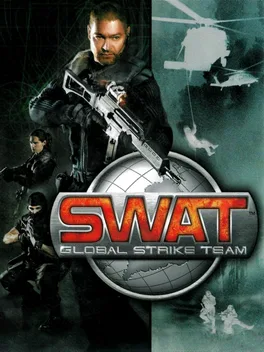
SWAT: Global Strike Team, often abbreviated as SWAT: GST, stands as a unique chapter in the history of tactical shooters. Released during a pivotal era when the genre was shifting from the complex, simulation-heavy roots of PC gaming to the more immediate, action-oriented demands of the console market, it managed to carve out a distinct niche for itself. Developed by the renowned Argonaut Games, this title sought to blend the cerebral planning and tactical depth of its predecessors with the high-octane thrill and accessibility of arcade classics like the Virtua Cop series. It represents a bold attempt to modernize a venerable franchise for a new audience while maintaining the core ethos of the SWAT name: protecting the innocent and upholding the law under extreme pressure. For many players, it was the perfect middle ground between a realistic simulator and a cinematic shooter.
The game is set in the then-near future of 2008. The world has become increasingly volatile, and standard law enforcement agencies are often overwhelmed by international crises involving high-stakes hostage situations and organized terror. To combat this, the SWAT Global Strike Team was formed. Functioning as an international offshoot of the traditional SWAT organization, this elite unit is tasked with intervening in global hotspots where local authorities cannot succeed on their own. Players take on the role of Mathias Kincaid, a seasoned veteran leading a three-man team composed of specialized experts, including a sniper and a technician. The narrative emphasizes the organization’s core philosophy: to save lives and defend the innocent. The missions span the globe, taking the team from urban environments to industrial complexes, all while maintaining a cohesive story of a world on the brink of chaos that only the GST can resolve.
What sets SWAT: GST apart from other entries in the franchise is its hybrid gameplay loop. It takes the strategic elements found in SWAT 3—such as room clearing, squad commands, and the prioritization of non-lethal force—and fuses them with the accessible, fast-paced arcade action popularized by arcade-style rail shooters. Players navigate environments in a first-person perspective, managing their AI teammates through a simplified command interface that allows for quick orders even in the heat of battle. The game rewards "tactical" play; shouting for compliance and using flashbangs or gas to apprehend suspects alive yields significantly higher scores than simply engaging in a shootout. However, the pacing is noticeably faster than a pure simulator, with tighter controls and more cinematic set pieces. This "tactical arcade" balance makes it an ideal entry point for those intimidated by hardcore sims while still offering enough depth for veterans. The inclusion of specialized gear like thermal goggles adds further layers of strategy to every encounter.
This game was released on several platforms, including the Xbox and the PlayStation 2, catering to both the North American and European markets.
SWAT: GST is often remembered as a bridge between two distinct eras of game design. While it may not have the legendary status of SWAT 4 among PC enthusiasts, it was a commercial and critical success on consoles. It effectively demonstrated that tactical shooters could thrive on gamepads without losing their mechanical identity. Its legacy lives on in the way modern tactical shooters handle squad commands and "rules of engagement" mechanics. For many console gamers in the early 2000s, this was their first introduction to the concept that a shooter could be about more than just a high kill count; it could be about de-escalation, teamwork, and surgical precision. The game remains a cult classic for those who appreciate the era of experimental console shooters that dared to blend genres.
Did you know that the game was developed by the British studio Argonaut Games? This is the same legendary team responsible for the Super FX chip and the original Star Fox on the SNES. SWAT: GST also featured an innovative voice command system on the Xbox version, allowing players to shout orders at their teammates or suspects via the headset—a feature that was quite ahead of its time for home consoles. Additionally, the game's vision of the year 2008 included high-tech gadgets that, while seemingly futuristic during development, bear a striking resemblance to the real-world equipment used by elite tactical units today. Finally, the game was praised for its unique visual filters, which gave each mission a distinct, gritty atmosphere suited for a high-stakes police drama.
Games