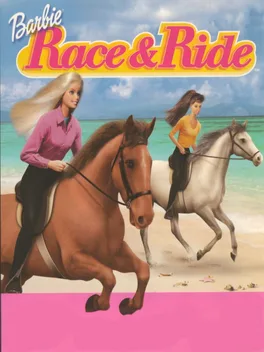
Barbie: Race & Ride
Introduction
Barbie: Race & Ride represents a pivotal moment in the history of licensed gaming, marking the iconic character's first-ever appearance on the Sony PlayStation. Released in late 1999 during the peak of the 32-bit era, this title brought the world of Barbie to life through 3D environments and interactive horse-care simulation. At a time when the PlayStation library was often dominated by gritty action titles and complex RPGs, Barbie: Race & Ride offered a refreshing and wholesome alternative specifically tailored for younger audiences and fans of the franchise. Known in certain regions as Barbie: Aventure Equestre, the game focuses on the bond between a rider and her horse, emphasizing nurturance, exploration, and gentle adventure. It served as a gateway for many young gamers, introducing them to the fundamental mechanics of exploration and resource management in a friendly, low-stress environment.
Story & Setting
The game is set in the idyllic and vibrant Secret Valley, a picturesque location where nature thrives and surprises wait around every corner. Barbie, along with her companions, invites the player to experience the beauty of the outdoors through a series of tranquil rides. The narrative is driven by a light mystery: pieces of a missing postcard have been scattered across the valley. As players explore the different biomes, they must locate and collect these pieces to reveal the titular secret of Secret Valley. This journey takes Barbie through four distinct environments: the sun-drenched beaches, the lush green meadows, the towering mountains, and the deep, mysterious forests. Each area is populated with various animal friends like deer and rabbits, who react to Barbie's presence, making the world feel alive and welcoming to the player as they piece together the postcard's story.
Gameplay
The gameplay of Barbie: Race & Ride is split into two primary components: stable management and outdoor adventure. Before heading out into the valley, players must visit the stables to care for their horse. This simulation aspect involves choosing a horse, naming it, and performing essential grooming tasks. Players can feed their horses a variety of treats, including apples, carrots, strawberries, and sugar cubes, which helps build a sense of responsibility and connection. Once the horse is well-fed and groomed, players can choose their riding style and head out to explore Secret Valley.
While riding, the game shifts into a third-person exploration mode. Players navigate through trails to find the missing postcard pieces, often discovering new animal friends along the way. The world is interactive, featuring mini-games and logic puzzles that must be solved to access certain areas or uncover hidden items. For players with a competitive streak, the game offers dedicated modes for racing and jumping contests. These challenges test the player's timing and coordination, providing a faster-paced alternative to the casual exploration of the main world. The controls were specifically designed to be intuitive, ensuring that the target audience could navigate the 3D space without the frustration often found in more complex titles of the era.
This game was released on several platforms, the playstation.
Legacy
Barbie: Race & Ride is often cited as one of the most successful titles in the movement to expand the gaming market to girls during the late 90s. Its commercial success proved that there was a massive demographic for "pink games" on home consoles, a realization that shifted how publishers approached licensed properties. This success paved the way for a long-running series of Barbie titles on the PlayStation and subsequent consoles, including Barbie: Explorer and Barbie: Super Sports. Historically, it remains a significant example of how a major brand could successfully transition from physical toys to digital experiences, helping to diversify the gaming landscape. For many who grew up in that era, it remains a nostalgic touchstone of their early gaming years and their first introduction to the horse-life simulation genre.
Fun Facts
- The game was developed by Runecraft, a UK-based studio that specialized in bringing major licensed brands to consoles.
- In French-speaking markets, the title was localized as Barbie: Aventure Equestre to resonate with local players.
- The game features digitized voice acting for Barbie, which was a significant feature for immersion in 1999.
- Unlike many PlayStation games of the time, Barbie: Race & Ride featured very few "fail states," ensuring that players would never face a frustrating "Game Over" screen, keeping the experience positive and accessible.
- The inclusion of various treats like sugar cubes and strawberries reflected the specific horse-care sets available in the physical Barbie toy line at the time.