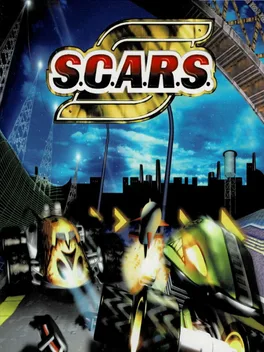
S.C.A.R.S.
Introduction
In the late 1990s, the combat racing genre was dominated by cartoony mascots and futuristic hovercraft. However, a unique title emerged that blended biological inspiration with high-tech machinery: S.C.A.R.S. Known alternatively as SCARS or by its more descriptive full title, Super Computer Animal Racing Simulation (and sometimes Super Computer Animal Racing Simulator), this game offered a distinct aesthetic where the vehicles were more than just machines—they were mechanical predators. Developed by Vivid Image and published by Ubisoft, it sought to provide a more aggressive and tactical alternative to the standard kart racers of the era.
Story & Setting
The premise of Super Computer Animal Racing Simulation is centered around a high-tech future where advanced artificial intelligence has moved beyond simple data processing. In this world, the most sophisticated computers have created a virtual environment to test the efficiency of different biological forms. By translating the traits of various animals into automotive engineering, the "Super Computer" facilitates a series of brutal races. These animal-shaped cars, representing creatures like lions, cobras, and sharks, battle for dominance in a digital gladiatorial arena, proving which design is the ultimate survivor in a high-speed ecosystem.
Gameplay
At its core, S.C.A.R.S. is a combat-heavy racing game featuring four distinct modes: Grand Prix, Challenge, and Time Attack. The primary objective is to progress through the Grand Prix, where players compete in tournaments to unlock new tracks and more powerful animal cars. The difficulty is gated by themed cups; players begin with the Carbon cup, and upon victory, they move on to more prestigious and difficult tiers like the Crystal and Diamond cups. Winning these tournaments is essential for progression, as it unlocks new levels and grants the opportunity to challenge rival cars. Defeating these rivals allows players to add those vehicles to their roster for use in subsequent races and the multiplayer versus mode.
Combat is deeply integrated into the racing experience. Unlike many games where weapons simply deplete a health bar, S.C.A.R.S. focuses on momentum. When a vehicle is hit, it is temporarily slowed down, providing a window for opponents to overtake. The arsenal includes turbo boosts, magnets, seeker-style missiles, boomerangs, time bombs, stingers, stoppers, rounds of bullets, and protective shields. A standout mechanic is the inclusion of jump jets. Every car is equipped with these thrusters, allowing players to leap over certain obstacles and dodge specific weapons. However, mastery is required, as the jump jets cannot avoid every type of incoming fire, forcing players to balance offensive aggression with tactical evasion.
This game was released on several platforms, including the Nintendo 64 and the PlayStation, allowing a wide audience of console gamers to experience its unique animal-based vehicular combat.
Legacy
S.C.A.R.S. remains a memorable title for those who owned a Nintendo 64 or PlayStation during the 32/64-bit era. While it faced stiff competition from heavy hitters like Mario Kart 64 and Diddy Kong Racing, it was praised for its unique concept and solid technical performance. The game’s attempt to introduce a more serious, "simulated" tone to the racing genre through its Super Computer Animal Racing Simulation framing was a creative departure from the whimsical themes of its contemporaries. Today, it is remembered as a cult classic that experimented with vehicle design in a way few games have since replicated.
Fun Facts
- The game is frequently referred to by three slightly different long-form names in various regions and marketing materials: Super Computer Animal Racing Simulation, Super Computer Animal Racing Simulator, and simply SCARS.
- Each car’s animal design isn't just cosmetic; it was intended to reflect the vehicle's handling and combat style, mirroring the personality of the predator it was based on.
- Despite the combat being central to the game, the "slow-down" mechanic instead of total destruction was a deliberate design choice to keep the racing fast-paced and competitive.