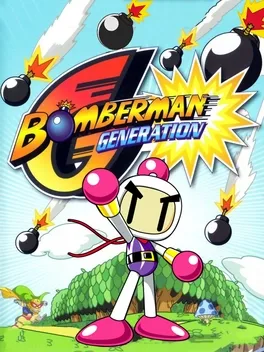
Bomberman Generation
Introduction
The early 2000s marked a significant stylistic evolution for many iconic video game franchises as they transitioned into the 128-bit era. Among the most vibrant of these transformations was Bomberman Generation, a title that brought Hudson Soft’s beloved demolition expert onto the Nintendo GameCube with a striking new cel-shaded 3D look. Released in 2002, this installment successfully revitalized the series by blending high-energy adventure with the classic, addictive multiplayer action that fans had cherished for decades. It remains a standout entry for its ability to modernize the visual presentation while staying true to the core mechanics of the franchise.
Story & Setting
The narrative of Bomberman Generation involves a high-stakes race against time to prevent a galactic catastrophe. The story begins when six powerful "Bomb Elements" are being transported through space and are scattered across the planet Phantion after a surprise attack by the Hige-Hige Bandits. Bomberman is tasked by Professor Ein with retrieving these elemental crystals and protecting them from falling into the hands of the nefarious Mujoe and his bandit group. The adventure takes place across five diverse worlds, each containing 16 individual levels. From lush, verdant forests and scorching deserts to icy peaks and volcanic depths, the setting provides a colorful and imaginative backdrop for the explosive hero’s quest.
Gameplay
Bomberman Generation offers a dual gameplay experience that caters to different styles of play. The single-player Adventure Mode utilizes a 3D environment where Bomberman must blast his way through mazes filled with eccentric enemies and hidden secrets. A key feature of this mode is the acquisition of special items and objectives that allow Bomberman to learn new techniques and enhance his arsenal. By combining bombs with different elements, players can unlock Light, Ice, Wind, and Water bombs, which are essential for solving environmental puzzles and defeating specific bosses. Additionally, the game introduces "Charaboms," small creatures that provide unique stat buffs and abilities. These creatures can be collected, evolved, and even pitted against each other in mini-battles.
In contrast, the Multiplayer Mode returns to the series' roots. Unlike the 3D exploration of the main quest, these battles are set in the original 2D, top-down perspective. Up to four players can compete in frantic rounds where the last man standing wins. This mode features the classic grid-based layout, power-ups like Fire and Speed increases, and various sub-modes that include timed battles and environmental hazards, ensuring that the competitive spirit of the franchise remains intact.
This game was released as an exclusive title for the Nintendo GameCube, utilizing the console's hardware to provide smooth cel-shaded graphics and fast-paced multiplayer local connectivity.
Legacy
Bomberman Generation is frequently cited as one of the best 3D-oriented entries in the long-running series. Its aesthetic choice to use cel-shading was highly praised for giving the game a timeless, cartoonish quality that has aged much better than many of its contemporaries. This specific art style was so successful that it heavily influenced the visual direction of the subsequent Bomberman Jetters anime and video game. By refining the 3D adventure formula that had been experimental on the Nintendo 64, this title established a solid blueprint for how to evolve a 2D mascot into a modern 3D world without losing the character's identity.
Fun Facts
In Japan, the game is known by the title Bonbāman Jenerēshon. One of the most interesting trivia points involves the Charabom system; many of the creatures found in the game are actually nods to other Hudson Soft properties or previous Bomberman lore. Furthermore, the soundtrack was produced with contributions from several notable industry veterans, helping to create the upbeat and frantic musical atmosphere that perfectly matches the game's explosive action. The game is also noted for being one of the first major third-party titles on the GameCube to fully embrace the cel-shaded visual trend of the early 2000s.