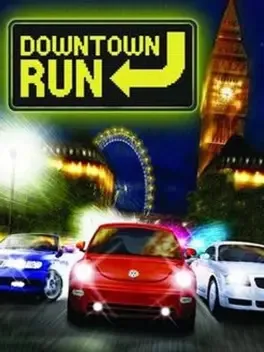
Downtown Run
Introduction
Downtown Run, also widely recognized by its alternative title City Racer, is a high-stakes vehicular combat and racing game that captured the essence of early 2000s arcade thrills. Developed during an era when the racing genre was experimenting with aggressive mechanics and urban environments, this title stands out for its blend of licensed vehicles and chaotic power-up systems. Whether you are navigating the tight corners of a historic European capital or blasting past rivals on a wide-open boulevard, Downtown Run delivers an adrenaline-fueled experience that prioritizes speed and tactical aggression over pure simulation. It invites players to not just be the fastest driver on the track, but the smartest and most ruthless one as well, making it a unique standout in a crowded market of traditional street racers.
Story & Setting
While Downtown Run does not feature a traditional character-driven narrative, it immerses players in the prestigious world of high-stakes urban racing circuits. The narrative is effectively told through the progression of the player's career as they move from a novice driver to a world-renowned champion across global leagues. The setting is the true star of the show, featuring meticulously designed tracks inspired by real-world metropolitan hubs. Players find themselves hurtling through the streets of iconic cities such as London, Rome, Moscow, and Paris. Each location offers a distinct atmosphere, from the rain-slicked pavement and gray skies of the United Kingdom to the historic architecture and sun-drenched plazas of Italy. This international tour provides a sense of scale and variety that keeps the racing experience fresh as players unlock more difficult circuits and prestigious events.
Gameplay
The core gameplay of Downtown Run is built upon a foundation of arcade-style racing supplemented by a deep vehicular combat system. Unlike traditional racers where the goal is simply to maintain the best racing line, Downtown Run encourages players to interact with their environment and their opponents through a variety of power-ups. These collectibles are scattered throughout the tracks and can drastically change the tide of a race. Offensive power-ups allow players to slow down opponents with obstacles or knock them off course, while defensive items like shields and repair kits help maintain the integrity of their own vehicle under heavy fire.
The game features a diverse roster of licensed cars from manufacturers such as Volkswagen, MG, and Mitsubishi. Each car is categorized by its performance stats, including acceleration, top speed, and handling, allowing players to choose a vehicle that suits their specific playstyle. Game modes are plentiful, ranging from standard Championship circuits and Quick Races to more unique challenges like Sudden Death or Last Man Standing. In these modes, the vehicular combat elements truly shine, as players must balance the need for speed with the necessity of staying alive under a barrage of opponent attacks. The tracks themselves are filled with shortcuts and hazards, rewarding players who take the time to learn the intricacies of each urban layout and the best moments to deploy their collected power-ups.
This game was released on several platforms, including the PlayStation 2 and the Nintendo GameCube, across various regional markets.
Legacy
Downtown Run holds a unique place in the history of racing games from the early 2000s. While it may not have reached the same level of mainstream dominance as franchises like Burnout, it is remembered fondly by fans of the combat racing subgenre. Its inclusion of licensed cars in a game that allowed for such aggressive, combat-heavy gameplay was relatively rare for the time, providing a level of authenticity that many fictional racers lacked. Critics often praised its variety of modes and the sheer thrill of its power-up system, though some noted the high difficulty curve in later stages. Today, it serves as a nostalgic reminder of a time when racing games were bold, experimental, and unashamedly focused on arcade fun.
Fun Facts
- In some European markets, the game was marketed heavily alongside specific car brands to emphasize its licensed roster.
- Despite its focus on combat, the game features a damage model that affects both the visuals and the performance of the vehicles.
- The alternative name City Racer was primarily used for certain international releases to better align with regional marketing strategies.
- The tracks in the game were praised for their attention to detail, including localized traffic and landmarks that made the city environments feel lived-in.