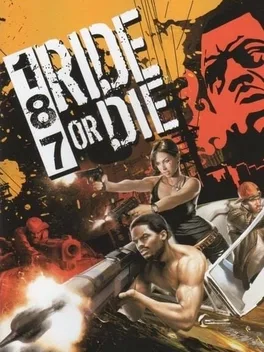
187 Ride or Die
Introduction
187 Ride or Die, released in 2005, represents a very specific era in gaming where street racing and urban street culture were at the height of their mainstream popularity. Developed and published by Ubisoft, the title sought to blend the high-speed thrills of arcade racing with the visceral, high-stakes intensity of vehicular combat. Often referred to simply by its alternative title, Ride or Die, the game arrived at a time when the industry was heavily influenced by the gritty realism of urban dramas and the commercial success of the Grand Theft Auto series. It remains a unique project in Ubisoft's catalog, blending cinematic storytelling with aggressive, car-based action that demands both driving precision and tactical shooting.
Story & Setting
The game is set against the sprawling, gritty, and sun-drenched backdrop of South Central Los Angeles. This infamous region serves as more than just a map; it is the lifeblood of the game's narrative. Players step into the shoes of Buck, a young and talented street racer who finds himself embroiled in a dangerous and escalating gang war. Buck works for his mentor and father figure, a local kingpin named Cortez. The plot revolves around defending the neighborhood's turf from a rival gang led by the ruthless and power-hungry Dupree.
The narrative is heavy on cinematic flair, utilizing stylized cutscenes and frequent in-game chatter to paint a picture of loyalty, betrayal, and survival. As Buck, the player must navigate a world where speed is the only currency that matters and where every race could be a matter of life and death. The inclusion of characters like Baby, who assists Buck during his missions, adds a layer of personality to the high-octane violence, making the fight for South Central feel personal and immediate.
Gameplay
The core of 187 Ride or Die is its specialized combat racing mechanic, which differentiates it from standard racing titles of the era. Unlike traditional racers where the goal is merely to cross the finish line first, here the objective is often to destroy the competition before they have a chance to overtake you. The game features a distinct setup where the player manages both the driving and the offensive capabilities of the vehicle. This creates a frantic pace where players must dodge incoming traffic while simultaneously lining up shots against rival gang members.
Players have access to a lethal arsenal of weaponry, including handguns, shotguns, and submachine guns. The gameplay is divided into several intense modes. Beyond standard circuit races, there are Deathmatch arenas where the only goal is survival, and Escort missions that require protecting a specific vehicle from waves of attackers. There is also a Poaching mode, which adds a strategic layer to the vehicular mayhem. A boost system, fueled by performing drifts and driving aggressively, ensures that the action never flags, maintaining a sense of overwhelming speed throughout every stage.
This game was released on several platforms, including the PlayStation 2 and the original Xbox.
Legacy
While 187 Ride or Die did not achieve the same enduring legendary status as franchises like Burnout or Twisted Metal, it remains a fascinating time capsule of mid-2000s gaming trends. It is remembered for its very specific aesthetic—a bold blend of hip-hop culture, early 2000s fashion, and arcade-style violence. At the time of its release, the game received mixed reviews; critics praised its high production values and the intensity of its combat but occasionally critiqued the repetitive nature of its missions.
However, in the years since, it has garnered a cult following among fans of the sixth generation of consoles. It stands as a testament to a period when developers were willing to take big risks on genre-mashing concepts. It captures a very specific moment in the evolution of urban-themed entertainment, bridging the gap between the racing and action-adventure genres in a way few other games of that decade attempted.
Fun Facts
- The number 187 in the title is a reference to the California Penal Code section for murder, which has long been a staple in hip-hop lyrics to denote a lethal threat.
- The game features a high-energy soundtrack that was specifically curated to match the West Coast setting, featuring numerous tracks that define the aggressive atmosphere.
- During its development, Ubisoft focused heavily on the dual-character mechanic, originally hoping to emphasize the cooperative nature of a driver and a shooter working in tandem.
- The game’s environment design was praised for its stylized depiction of Los Angeles landmarks, even if the world itself was built for high-speed carnage rather than open exploration.