Found 2 item(s) for sale
-
Games
Send a Message to
-
Games
Send a Message to
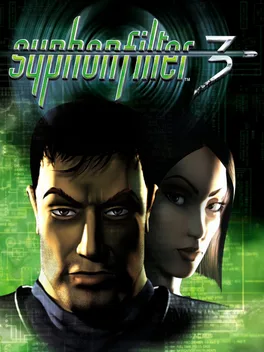
Syphon Filter 3 arrived in late 2001 as a powerful swan song for the original PlayStation console. Developed by Bend Studio (formerly Eidetic), this third installment in the acclaimed espionage thriller series sought to push the aging hardware to its absolute limits. While the industry was beginning its transition to the next generation of consoles, Gabe Logan and Lian Xing returned for one final mission on the platform that made them household names. The game effectively balances high-octane action with a complex political thriller narrative, ensuring that the trilogy ended on a high note. As a direct sequel to the events of the first two games, it provides long-awaited answers to the conspiracies that defined the series, making it an essential experience for fans of the tactical shooter genre.
The narrative structure of Syphon Filter 3 is unique compared to its predecessors. Instead of a linear chronological progression, the story is framed through a high-stakes interrogation. Following the explosive events of the previous games, secret agents Gabe Logan and Lian Xing are summoned before a United States Senate committee to account for their actions. As they are questioned about the Syphon Filter virus and their supposed rogue status, the game transitions into various flashbacks. These playable memories span across different time periods and global locations, from the jungles of Costa Rica to the streets of Kabul, and even a return to a Soviet-era chemical plant. This retrospective approach allows players to see the origins of the partnership between Gabe and Lian while they struggle to expose the deep-seated corruption within the Agency and the global bioterrorism network. It is a world of shadows, where loyalties are tested and the threat of a global pandemic looms in every shadow.
At its core, Syphon Filter 3 maintains the signature third-person tactical shooting that fans loved, while adding several refinements. Players primarily control Gabe Logan, but several missions allow them to step into the shoes of other characters like Lian Xing, Lawrence Mujari, and Teresa Lipan, each offering a slightly different perspective on the combat. The iconic lock-on system returns, allowing for fast-paced movement while maintaining accuracy, though seasoned players can still utilize manual aiming for precise headshots. The arsenal is more diverse than ever, featuring the series' trademark air taser—capable of setting enemies ablaze from a distance—as well as new weaponry like the Falcon, the Milcor Grenade Launcher, and various sniper rifles. Stealth remains a viable and often necessary option in several missions, requiring players to use silenced weapons and environment-based takedowns. Beyond the main campaign, the game introduced several mini-games and a robust multiplayer mode, offering significant replay value for the era.
This game was released on several platforms, including the original PlayStation and later digital storefronts for modern handhelds and consoles.
Syphon Filter 3 is remembered as one of the most technically impressive titles on the PlayStation 1. While it faced stiff competition from the newly launched PlayStation 2, it stood its ground as a showcase of what mastery over older hardware could achieve. It successfully concluded the primary story arc of the original trilogy, solidifying Bend Studio's reputation as a premier developer for Sony. The series would eventually transition to the PlayStation 2 and PlayStation Portable, but the original trilogy remains the definitive Syphon Filter experience for many. Today, the game is celebrated for its cinematic storytelling and its influence on the stealth-action subgenre, often cited alongside titles like Metal Gear Solid as a foundational pillar of modern tactical gaming.
Interestingly, the release of Syphon Filter 3 was slightly delayed due to the events of September 11, 2001. Sony decided to change the game's marketing and cover art, which originally featured an explosion behind Gabe and Lian, to a more subdued and patriotic design featuring the characters against a minimalist background. Additionally, the game contains several hidden mini-games, including a target range that challenges players to beat Gabe's best times. Another interesting detail is that the game features 19 sprawling levels, which was a massive amount of content for a single-disc CD-ROM game at the time, showcasing the efficient engineering of the Bend Studio team.
Games
Games