Found 1 item(s) for sale
-
Games
Send a Message to
In the late 1990s, the beat 'em up genre underwent a massive transformation as it transitioned from traditional 2D sprites into the burgeoning world of 3D polygons. Among the titles that attempted to capture the raw energy of arcade brawlers on home consoles was Crisis Beat. Released during the height of the original PlayStation's popularity, this title from Soft Machine and Bandai offered players a cinematic and visceral experience. If you are an action game connoisseur then Crisis Beat is the game for you, providing a rhythmic and intense approach to combat that many players still remember fondly. It stands as a testament to an era where developers were experimenting with perspective and physics to revitalize the classic fighting formula for a new generation of gamers.
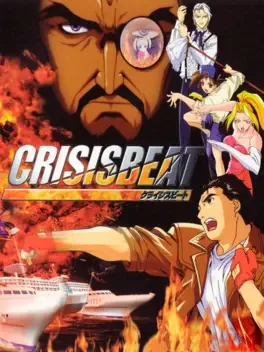
The narrative of Crisis Beat is straight out of a high-octane Hollywood blockbuster. The game is set on board a futuristic ocean liner named the "Princess of the Sea," a vessel that represents the pinnacle of luxury and technological advancement. However, the maiden voyage takes a dark turn when a group of fanatical terrorists launches a violent takeover. You have to take on the fanatical members of the most ferocious sea-jacking gang of terrorists in the history of piracy. The stakes are incredibly high, as the ship is not only a target for ransom but also a floating powder keg in the middle of the ocean. Players must navigate through various decks of the ship, from the opulent ballrooms to the gritty engine rooms, to dismantle the terrorist organization and regain control of the ship.
Crisis Beat excels in providing a variety of ways to dispatch foes. Players can choose from four different characters to regain control of the ship, each with their own unique fighting styles and motivations. Whether you prefer the balanced strikes of Eiji, the swift kicks of Julia, the raw power of Keneth, or the technical prowess of Feisu, the game offers a character to suit every playstyle. One of the standout features is the unique 'Lock On' mode, which allows you to deliver awesome moves on your opponents with precision. This mechanic helps manage the 3D space, ensuring that your attacks land exactly where you intend. As the pace of the action increases, you can make use of many objects scattered around the ship to defeat opponents. From picking up luggage to swinging metal pipes or throwing chairs, the environment is just as much a weapon as your fists. For those playing alone, the balanced computer AI provides addictive solo gameplay that scales in difficulty. Additionally, the game features a two-player mode, allowing friends to team up. Along the way, you will confront some of the most devastating end of level bosses ever seen in an action game.
This game was released on several platforms within the PlayStation family, allowing it to reach audiences across different generations of hardware through both physical and digital formats.
While Crisis Beat may not have reached the same level of global recognition as massive franchises like Tekken, it remains a significant part of the PlayStation's action library. It is often cited as a prime example of the 3D brawler subgenre that flourished briefly before the industry shifted toward more complex open-world action-adventure games. Its focus on cinematic camera angles and environmental interaction paved the way for future titles to explore more dynamic combat spaces. For many, it remains a cult classic, celebrated for its pick-up-and-play accessibility and its unapologetic adherence to the high-octane tropes of 90s action cinema. It captured the essence of the arcade experience perfectly without requiring a pocket full of quarters, making it a staple for genre enthusiasts.
Despite its intense focus on combat, Crisis Beat features a surprisingly detailed interactive environment where almost everything that looks like it can be picked up can be used against your enemies. Interestingly, while the game was a hit in its native Japan and saw a full release in Europe, it never received an official North American NTSC-U release on the original PlayStation hardware, making it a sought-after import for Western collectors. The character archetypes in the game are heavily inspired by classic action movie tropes, ranging from the rogue hero to the disciplined martial artist. Ultimately, this is the action game that everyone has been looking for, especially if they enjoy the thrill of maritime combat and high-stakes heroism.
Games