Found 3 item(s) for sale
-
Games
Send a Message to
-
Games
Send a Message to
-
Send a Message to
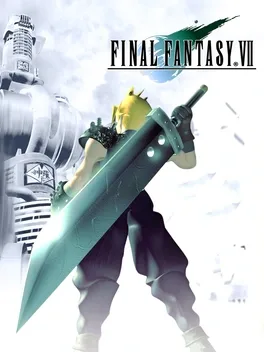
Few video games have left as indelible a mark on the industry as Final Fantasy VII. Originally released in 1997, this title, often referred to by fans as FFVII or FF7, represented a seismic shift for the role-playing genre. Moving away from the 2D sprites of its predecessors, it embraced the power of the 32-bit era with cinematic 3D graphics and pre-rendered backgrounds. Known in various regions as Final Fantasy 7 or FINAL FANTASY VII, the game was a commercial and critical juggernaut that introduced millions of Western players to the Japanese RPG. Whether you recognize it as 最終幻想VII in East Asia or Финальная Фантазия 7 in Eastern Europe, its reputation as a storytelling masterpiece remains undisputed. It didn't just sell consoles; it changed the way developers approached narrative and presentation in interactive media.
The narrative of Final Fantasy VII takes place in a unique post-modern, steampunk world where high technology and ancient fantasy elements coexist. The story centers on Cloud Strife, a brooding mercenary and self-proclaimed ex-SOLDIER. Cloud joins an eco-terrorist group known as AVALANCHE to strike back against the Shinra Electric Power Company. Shinra is a global conglomerate that is literally draining the planet's life energy—known as the Lifestream—to power its sprawling cities. As the plot unfolds, players delve into Cloud's mysterious and fractured past, eventually facing off against the legendary Sephiroth, a powerful threat who seeks to use the planet's energy for his own ascension. The journey spans from the claustrophobic industrial sectors of Midgar to the vast, diverse continents of the world map, weaving a complex tale of identity, loss, and environmentalism.
Gameplay in FF7 is built upon a refined version of the Active Time Battle (ATB) system. This turn-based combat with a real-time element keeps encounters dynamic and tense. A standout feature is the Materia system, which allows for deep character customization. By slotting magical orbs into their weapons and armor, players can grant characters specific spells, summons, or passive abilities. Furthermore, each character possesses unique Limit Breaks—powerful special attacks that can be unleashed once a gauge is filled by taking damage. Exploration is equally robust; players navigate beautifully detailed 3D environments, engage in various mini-games at the Gold Saucer, and eventually gain access to vehicles like the Highwind airship to uncover hidden secrets across the globe. This combination of strategic depth and varied activities ensures that the experience remains engaging throughout its lengthy campaign.
Final Fantasy 7 has seen various iterations over the years, ensuring its availability to new generations of gamers. Beyond the original release, the Final Fantasy VII International version added new features and boss fights that were later standardized globally.
The legacy of Final Fantasy 7 International and its base version is unparalleled. It is often credited with popularizing the PlayStation console and proving that high-budget, story-driven RPGs could achieve mainstream success in the West. Its impact led to a sprawling sub-franchise known as the "Compilation of Final Fantasy VII," which includes spin-offs, movies, and the high-profile remake project. Even decades later, the game's music, composed by Nobuo Uematsu, and its iconic character designs by Tetsuya Nomura are celebrated in orchestral concerts and art galleries worldwide. It remains a benchmark for narrative ambition and technical innovation in the history of gaming.
Games
Games