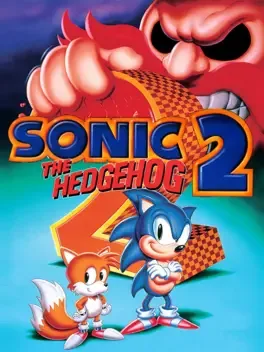
Sonic the Hedgehog 2
Introduction
Released in 1992, Sonic the Hedgehog 2 is more than just a sequel; it is the definitive entry that catapulted the Sega Genesis into the hearts of millions of gamers worldwide. Commonly known by fans simply as Sonic 2, this title took everything that made the original 1991 game a hit and refined it to near perfection. With the introduction of the iconic "Spin Dash" move and a new sidekick companion, Sonic’s second outing became a global phenomenon, setting a high bar for the platforming genre that few games of the era could match. It represents the peak of 16-bit speed and remains a cornerstone of the gaming industry to this day.
Story & Setting
The narrative finds the villainous Dr. Eggman, also known as Dr. Robotnik, returning with a more ambitious plan than ever before. After his previous defeat, he has descended upon West Side Island, kidnapping the local animal population to power his robotic army of Badniks. However, his ambitions go beyond simple kidnapping; he is forcing these animals to build the Death Egg, a massive, moon-sized orbital space station capable of total planetary domination. This time, Sonic isn't alone in his quest. He is joined by Miles "Tails" Prower, a twin-tailed fox who looks up to the hedgehog as a hero. Together, they must navigate through diverse environments—ranging from the lush, tropical hills of Emerald Hill to the high-tech industrial sprawl of Metropolis—to recover the 7 Chaos Emeralds and stop Dr. Robotnik’s evil scheme before his ultimate weapon becomes fully operational.
Gameplay
The gameplay of Sonic 2 is a masterclass in momentum-based platforming and high-speed exploration. The most significant addition to Sonic's repertoire is the Spin Dash, a move that allows players to crouch and rev up their speed to gain instant momentum from a stationary position. This addition fundamentally changed the flow of the game, allowing for faster recovery and more dynamic movement. The inclusion of Tails introduced a unique cooperative element; a second player could pick up a controller to assist Sonic, or the AI would take control, providing a helpful and invincible sidekick. The game spans eleven distinct zones, most consisting of two acts, culminating in intense boss battles against Robotnik’s mechanical contraptions. The quest for the Chaos Emeralds takes place in Special Stages, which utilize a pseudo-3D "half-pipe" perspective. Collecting all seven emeralds allows Sonic to transform into Super Sonic, a golden, near-invincible version of himself that moves at incredible speeds, provided the player maintains a steady supply of rings.
This legendary title, frequently referred to as Sonic 2, has been ported and re-released across numerous generations of gaming hardware, from its original 16-bit home to modern digital consoles. It remains one of the most accessible classics in gaming history.
Legacy
The legacy of Sonic the Hedgehog 2 is monumental. It was the centerpiece of one of the most aggressive marketing campaigns in history, famously launching on what Sega termed "Sonic 2sday." It became one of the best-selling games on the Sega Mega Drive/Genesis, moving over six million copies and helping Sega briefly overtake Nintendo in the console wars. Beyond sales, its influence on level design and character dynamics persists in the franchise today. The game’s vibrant art style and its iconic soundtrack, composed by Masato Nakamura of the band Dreams Come True, remain some of the most celebrated elements in the medium. Sonic 2 solidified the series as a heavyweight contender, proving that the "Blue Blur" was a cultural icon capable of defining an entire generation of play.
Fun Facts
- One of the most famous pieces of cut content is the "Hidden Palace Zone," a level that was partially finished but removed from the final cartridge due to time constraints, only to be officially restored in much later mobile remasters.
- Sonic 2 marked the debut of the seventh Chaos Emerald; the original game only featured six.
- The transformation into Super Sonic was a deliberate nod to the "Super Saiyan" trope from the popular anime Dragon Ball Z, featuring golden fur and upturned spikes.
- While Tails can fly in later entries, in the original 16-bit version of Sonic 2, the player cannot manually trigger his flight; he only flies automatically to catch up with Sonic if left behind.
- The "Death Egg" orbital station is a direct homage to the Death Star from the Star Wars film franchise, highlighting the pop-culture influences prevalent in 90s Sega games.