Found 1 item(s) for sale
-
Send a Message to
The Super Nintendo era was a golden age for side-scrolling action titles. While heavy hitters like Contra III and Mega Man X often dominated the spotlight, there were several hidden gems that pushed the hardware's capabilities to deliver intense, gritty sci-fi experiences. Realm is one such title—a visceral journey into a post-apocalyptic future where the line between man and machine is blurred. Released in the mid-90s, it offered a high-stakes challenge for SNES owners, blending atmospheric visuals with the punishing difficulty characteristic of 16-bit action games. Known simply as Realm across all regions, it stands as a testament to the era's fascination with cybernetic heroes and alien threats.
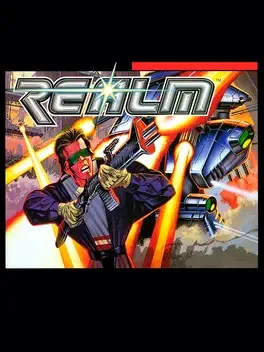
The year is 5069 A.D., and the world is unrecognizable. An extraterrestrial invasion of unprecedented scale has swept across the globe, reducing the once-proud metropolises of Earth to smoldering ruins. With the human population decimated and pushed to the absolute brink of extinction, the survivors turn to a desperate last resort. Out of the wreckage of civilization emerges humanity's final hope: a powerful Biomech cyborg. This cybernetic warrior is programmed with a singular, grim mission: navigate through five distinct, hostile "realms" to systematically dismantle the alien occupation. Only by destroying the heart of the alien menace can the cyborg hope to bring humanity back from the precipice of total annihilation and reclaim the planet for the survivors.
At its core, Realm is a classic side-scrolling action-platformer that emphasizes precise movement and tactical weapon management. Players control the Biomech cyborg through treacherous environments, ranging from desolate urban wastes to high-tech alien installations. The gameplay loop focuses on high-octane combat against a variety of enemies scattered throughout the stages.
To combat the alien swarm, the player is equipped with a versatile and upgradable arsenal. Starting with basic firepower, you can acquire weapon upgrades that fundamentally change your combat strategy. These include high-velocity lasers for long-range engagement, heat-seeking missiles to track agile airborne foes, and the unique plasma boomerangs which provide a strategic arc of fire to hit enemies behind cover.
Survival in Realm isn't just about offense; it hinges on utilizing the game's crystal system. By collecting specific power-ups, players can gather crystals that generate a temporary shield. This protective aura is vital for absorbing enemy fire during particularly chaotic sections. Each of the five realms concludes with a confrontation against a standard but massive, menacing boss. These screen-filling entities serve as the ultimate gatekeepers, demanding mastery over the cyborg’s weaponry and patterns to advance to the next level.
Realm was specifically developed to take advantage of the Super Nintendo's hardware, utilizing its color palette and sprite capabilities to create a dark, futuristic atmosphere. The game was available for players in both North American and European territories.
Realm is often remembered as a quintessential Titus Software production from the SNES era. While it may not have reached the same level of household fame as Nintendo's first-party franchises, it remains a respected piece of gaming history for its challenging gameplay and distinct art style. The game's use of detailed sprites gave it an aesthetic that felt advanced for its time, capturing the techno-futurist anxiety common in 90s media. Today, it is frequently cited in "hidden gem" lists for the Super Nintendo, appreciated by retro gaming enthusiasts who enjoy the uncompromising difficulty of 16-bit action titles. It remains a solid example of the sci-fi platformer sub-genre that defined much of the early 90s.