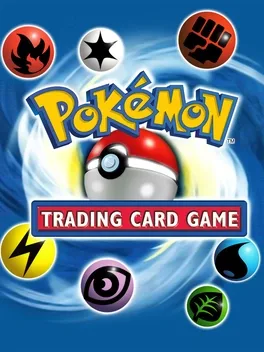
Pokémon Trading Card Game
Introduction
At the height of the global Pokémon phenomenon in the late 1990s, Nintendo and Hudson Soft collaborated to bring the physical tabletop experience to the handheld screen. Known in various regions as Pokémon TCG or Pokémon Card GB, this title provided fans with a revolutionary way to experience the strategy of the cards without the need for physical binders or finding local opponents. Whether you played it as Pokemon Card GB in Japan or as Pokémon Estampas Ilustradas in Spanish-speaking territories, the game successfully captured the intricate mechanics of the hobby. It remains a standout title in the Game Boy Color library, offering a deep, strategic alternative to the traditional monster-collecting RPGs that defined the era.
Story & Setting
The narrative of the Pokémon Trading Card Game puts you in the shoes of an aspiring young player whose greatest ambition is to become the ultimate Pokémon Card Master. Your journey begins at the research laboratory of Professor Mason, a mentor figure who teaches you the basics and provides your first set of cards. You are presented with a choice between three starter packs based on iconic First Generation Pokémon: Charmander, Squirtle, and Bulbasaur. Once your deck is ready, you must travel across an island dedicated entirely to card dueling. The setting is vibrant and filled with enthusiasts, all leading up to the ultimate challenge: defeating the eight Club Masters. These leaders serve as the gatekeepers to the Grand Masters, and only by defeating them can you inherit the legendary cards.
Gameplay
The core of the experience is a meticulous recreation of the real-world trading card game. All of the complexity of the real-world game has been captured here, from energy management to tactical retreats. Players engage in turn-based duels where they must use Energy cards to power up their Pokémon's attacks while utilizing Trainer cards to manipulate the field or draw new resources. The game features over 200 cards to collect, including many from the original Base Set, Jungle, and Fossil expansions. Beyond just winning matches, the real goal of the game is to collect every single card. To help players achieve this, the game includes a special Pop mode (Card Pop!), which allowed players to use the Game Boy Color's infrared port to generate rare cards through social interaction. Between the challenging AI of the Club Masters and the constant lure of card pack opening, the gameplay loop is incredibly addictive.
The Pokémon Trading Card Game was originally a flagship title for Nintendo's handheld lineup, ensuring players could duel anywhere. Over the years, it has been preserved through digital re-releases, allowing fans to enjoy the classic TCG experience on more modern hardware such as the Nintendo 3DS.
Legacy
The legacy of the Pokémon Trading Card Game is defined by its role as the first major digital adaptation of the tabletop hobby. It proved that the mechanics of the TCG were robust enough to stand on their own as a video game. While the franchise eventually moved toward the Pokémon TCG Live and other modern apps, this original title is remembered fondly for its charming 8-bit aesthetic and excellent soundtrack. A sequel, Pokémon Card GB2: Here Comes Team GR!, was released in Japan but never saw an official Western localization, making the original Game Boy Color release a unique and highly sought-after collectible for international fans. It remains a testament to how well the Pokémon brand can pivot across different media formats.
Fun Facts
- The game features several exclusive cards that were never printed in physical form, known as the "GB-exclusive" cards.
- The iconic music was composed by Ichiro Shimakura, who managed to create distinct, high-energy themes for each of the eight card clubs.
- Professor Mason’s name and role as a mentor are unique to this digital adaptation, providing a guiding hand similar to Professor Oak in the main series.
- The "Card Pop!" feature was one of the most innovative uses of the Game Boy Color's infrared communications port, rewarding players for meeting others in real life.
- The game includes a recurring rival named Ronald, who builds decks specifically designed to counter the player's progress throughout the story.