Found 2 item(s) for sale
-
Games
Send a Message to
-
Games
Send a Message to
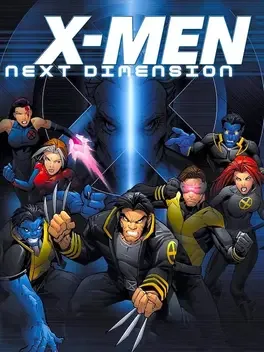
In the early 2000s, superhero media was entering a golden age, fueled by blockbuster films and high-quality animated series. Among the most popular franchises was Marvel’s X-Men, which saw a surge of high-profile video game adaptations. Released in 2002, X-Men: Next Dimension emerged as a pivotal entry in the fighting game genre for the brand. Often referred to by fans and industry insiders as X-Men: Mutant Academy 3, this title was the third installment in the Mutant Academy series, which had previously seen success on the original PlayStation. Developed by Paradox Development, Next Dimension aimed to push the boundaries of what a mutant-themed fighter could be, transitioning the series from 2.5D mechanics into fully realized 3D environments. It remains a nostalgic touchstone for many players who grew up during the sixth generation of video game consoles.
One of the most significant upgrades in X-Men: Next Dimension was the inclusion of an expansive, cinematic Story Mode. Unlike the arcade-style ladders of previous games, the narrative here was loosely based on the classic comic book crossover event "Operation: Zero Tolerance." The plot centers on the threat of Bastion and his Prime Sentinels, who seek to eradicate the mutant population once and for all. The game begins with the kidnapping of Forge, prompting the X-Men to engage in a desperate rescue mission. As the story unfolds through high-quality pre-rendered movies and in-game cutscenes, players are forced to take control of various characters, including a temporary and uneasy alliance between the X-Men and Magneto’s Brotherhood of Mutants. The setting spans iconic Marvel locations, from the hallowed halls of the Xavier Institute to the desolate, mutant-friendly shores of Genosha.
X-Men: Next Dimension significantly overhauled the gameplay mechanics found in its predecessors. The most notable change was the move to a full 3D fighting engine, allowing characters to move freely within the arena. The maps became multi-tiered; for instance, a character could be smashed through a floor or knocked off a roof, with the battle seamlessly continuing in a entirely different section of the stage. The combat system utilizes a four-button layout—two for punches and two for kicks—but the depth lies in the Super Meter. This meter can be charged up to four levels, with each level granting access to increasingly devastating mutant abilities. The roster is impressively deep, featuring staples like Wolverine, Storm, and Cyclops, alongside more obscure fan favorites like Lady Deathstrike, Havok, and the Phoenix. Each character possesses unique combos and special moves that reflect their specific mutant powers, making the gameplay varied and strategic.
This title was made available across the major consoles of its generation, ensuring that fans of different hardware could experience the mutant mayhem.
While X-Men: Next Dimension was the last title to bear the fighting-style DNA of the Mutant Academy series, its legacy is one of ambition. It was one of the first games to successfully translate the frenetic action of X-Men combat into a 3D space with interactive environments. While it faced stiff competition from other fighting franchises of the era like Tekken or SoulCalibur, it carved out a niche as the definitive X-Men fighter for console owners. Shortly after its release, Activision shifted the franchise toward the Action-RPG genre with the X-Men Legends series, making Next Dimension the final "traditional" fighter in the X-Men library for many years. Today, it is remembered for its surprisingly deep roster and its faithful adherence to comic book lore.
Games
Games