Found 2 item(s) for sale
-
Games
Send a Message to
-
Games
Send a Message to
Introduction Story & Setting Gameplay Platforms Legacy Fun Facts
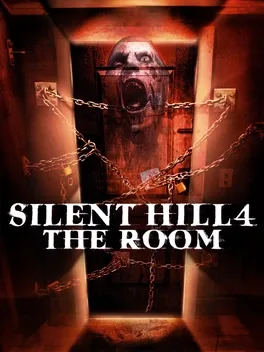
Silent Hill 4: The Room, frequently abbreviated as SH4, represents a daring departure for Konami’s iconic survival horror franchise. Released during the twilight years of the original Team Silent, it challenged the established conventions of the series by moving the horror from the fog-shrouded streets of the eponymous town to the suffocating confines of an apartment complex in South Ashfield. By blending traditional psychological horror with new experimental mechanics, Silent Hill 4 created an experience that was both unsettlingly intimate and grand in its supernatural scope. This entry is often remembered for its unique approach to vulnerability, as the protagonist's supposed "safe haven" gradually becomes the source of his greatest fears, making it one of the most distinctive titles in the genre.
The narrative centers on Henry Townshend, a quiet man living in Room 302 of the South Ashfield Heights apartment building. Henry finds himself mysteriously locked inside his own home; the windows are sealed, the phone is dead, and the front door is bound by massive, otherworldly chains. His only escape is through a series of strange, pulsating holes that manifest in his bathroom and laundry room. These portals transport him to "Otherworlds"—nightmarish locales including a decaying forest, a water prison, and a haunted subway station. As Henry explores these realms, he discovers the dark history of Walter Sullivan, a ritualistic serial killer whose influence transcends death. Silent Hill 4: The Room weaves a complex tale of childhood trauma and occult ritual, forcing Henry to confront the sins of the past to escape his domestic prison.
Gameplay in Silent Hill 4 is split between two distinct perspectives. When inside Room 302, the game utilizes a first-person mode, allowing players to examine Henry’s environment in detail. Interacting with objects in this mode is streamlined via eyeball icons that appear when looking at points of interest. This perspective heightens the sense of claustrophobia as the apartment slowly succumbs to hauntings. Once Henry enters the portals, the game shifts back to the traditional third-person survival horror view familiar to fans of the series. However, combat is significantly more prevalent here than in previous installments. Henry must navigate cramped spaces filled with aggressive enemies using an arsenal that includes the classic steel pipe, a pistol, and even a golf club. The inventory system is also more restrictive, requiring players to return to the apartment to manage their items, adding a layer of strategic resource management.
This game was released on several platforms, including the original Xbox, PlayStation 2, and later as a digital classic on PC and PlayStation 3.
The legacy of SH4: The Room is one of retrospective appreciation. At the time of its release, many fans were taken aback by the deviations from the "Silent Hill" formula—specifically the removal of the flashlight and radio, and the increased focus on combat. However, in the years since, the game has earned a reputation as a misunderstood masterpiece of atmosphere. Its influence can be seen in modern horror titles that utilize confined spaces and "safe zones" to build tension, most notably the famous P.T. demo. As the final title produced by Team Silent, it marks the end of an era for the franchise, standing as a testament to the team’s willingness to experiment and subvert expectations even at the height of their success.
In various regions, the game is known by different titles, such as its Chinese name, 寂静岭4: 密室惊魂. A long-standing urban legend suggested that the game didn't start as a Silent Hill project but was a separate game titled "Room 302" that was later rebranded; however, developers have clarified it was always intended as part of the series. Interestingly, the primary antagonist, Walter Sullivan, was actually mentioned in a small detail in Silent Hill 2, years before he became the focal point of this story. Additionally, the first-person sections were specifically designed to make the player feel as trapped as Henry himself, a goal that many fans feel the game achieved with haunting success.
Games
Games