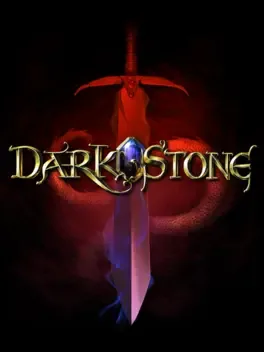
Darkstone
Introduction
In the late 1990s, the action-role-playing game (ARPG) genre was undergoing a massive transformation. While the industry was still reeling from the impact of isometric dungeon crawlers, a French developer named Delphine Software International—famous for cinematic classics like Another World and Flashback—decided to throw their hat into the ring. The result was Darkstone, a title that successfully transitioned the addictive "click-and-loot" formula into a fully three-dimensional world. Released during the height of the ARPG craze, Darkstone offered a unique blend of high fantasy, challenging combat, and innovative mechanics that allowed it to stand out in a crowded market. Whether you were exploring its deep dungeons or managing a pair of heroes, the game provided an atmospheric experience that remains a cult favorite among RPG enthusiasts to this day.
Story & Setting
The narrative of Darkstone unfolds in the once-peaceful land of Uma, a realm now shrouded in shadow and fear. The primary antagonist is the malevolent necromancer Lord Draak, who has rediscovered the ancient power to transform into a devastatingly powerful dragon. Having been defeated centuries ago, Draak has returned with a vengeance, and Lord Draak's henchmen are spreading chaos in Uma, terrorizing the populace and corrupting the land.
To stop this ancient evil, players must embark on a quest to recover the seven lost crystals of the Time Orb. These crystals—representing Virtue, Bravery, Nobility, Wisdom, Honor, Strength, and Light—are the only tools capable of neutralizing Draak’s power. The world of Uma is divided into several distinct regions, each filled with procedurally generated dungeons, ensuring that the layout of the world and the placement of quest items feel fresh with every new playthrough. This blend of a static hub world (the town) and randomized exploration areas created a sense of scale and unpredictability that was ahead of its time.
Gameplay
At its core, Darkstone is an action-heavy RPG that utilizes an isometric perspective within a 3D engine. One of its most distinctive features is the dual-character system. Unlike many of its contemporaries where you controlled a single protagonist, Darkstone allows players to select two characters from eight available classes (Warrior, Amazon, Wizard, Sorceress, Thief, Assassin, Priest, and Priestess). While you directly control one hero, the computer manages the second through a customizable AI system, allowing for tactical depth. You can switch between them at any time to utilize specific skills or spells.
Character progression is deep, featuring a wide array of attributes, skills, and over 30 different magic spells. The game also incorporates a unique hunger mechanic; players must ensure their heroes stay fed by purchasing food or finding it in the wild, adding a survival element to the dungeon crawling. The combat is fast-paced, requiring players to manage health and mana while fending off hordes of skeletons, orcs, and more exotic monsters. The 3D camera was also a major selling point, allowing players to zoom and rotate the view to get a better look at the environment or incoming threats.
This game was released on several platforms, including the personal computer and the PlayStation, allowing both console and PC gamers to experience the quest for the Time Orb.
Legacy
Darkstone is often remembered as one of the first successful attempts to bring the "Diablo-clone" subgenre into true 3D. While it may not have achieved the same level of mainstream commercial success as the titans of the genre, it earned significant critical praise for its innovative UI, its dual-character mechanics, and its charming, if slightly dark, art style. It remains a significant milestone for Delphine Software, proving they could handle complex RPG systems just as well as cinematic platformers. In recent years, the game has seen a resurgence in interest thanks to digital re-releases and mobile ports, introducing a new generation of players to the dangers of Lord Draak and the land of Uma.
Fun Facts
- Musical Talent: The town in Darkstone features a group of musicians who play a catchy vocal theme song. This was quite rare for the era and added a layer of personality to the game's hub.
- Aging Heroes: As time passes in the game, your characters can actually age. If they become too old, their stats may begin to decline, though this was primarily a concern in the PC version's extended play sessions.
- The Dragon's Breath: Lord Draak was voiced by the same actor who provided the voice for the iconic narrator in the French version of several high-profile documentaries.
- Randomized Quests: Not all quests appear in a single playthrough. The game selects a subset of possible quests each time you start a new adventure, encouraging multiple completions.