Syberia
Introduction
Story & Setting
Gameplay
Platforms
Legacy
Fun Facts
Introduction
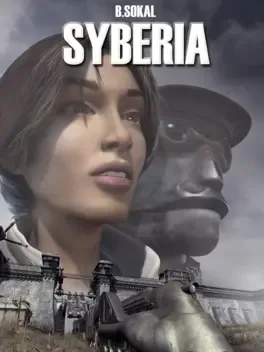
Syberia is widely regarded as one of the most significant and emotionally resonant titles in the history of the adventure game genre. Conceived by the renowned Belgian artist and writer Benoît Sokal—often marketed under the name B. Sokal Syberia to highlight its unique auteur-driven nature—the game first made its debut in 2002. Whether you know it as Syberia or by its Cyrillic title Сиберия, the game represents a pinnacle of interactive storytelling, blending a melancholic atmosphere with a grand, sweeping narrative. It tells the story of Kate Walker, a woman whose life is defined by tight schedules and legal briefs, only to be turned upside down by a journey to the farthest reaches of Europe and beyond. This article explores the depths of this timeless voyage and its enduring impact on the gaming world.
Story & Setting
The narrative begins in the rainy, atmospheric Alpine village of Valadilène. Kate Walker, an ambitious lawyer from a high-profile New York firm, arrives to finalize the purchase of the famous Voralberg automaton factory. What should have been a straightforward corporate transaction quickly unravels when she learns that the owner has died, and the last heir, Hans Voralberg, is still alive. Hans is an eccentric genius who disappeared decades ago in pursuit of a prehistoric dream. To find him and complete her mission, Kate must board a massive clockwork train and travel across a continent frozen in time. The setting is a masterpiece of art direction, moving from the lush beauty of the French Alps to the stark, industrial remains of Soviet-era Komkolzgrad and the ethereal university of Barrockstadt. Each location is a hauntingly beautiful postcard of a world that feels both grounded in history and untethered from reality.
Gameplay
In terms of mechanics, Syberia utilizes a classic third-person point-and-click interface that emphasizes exploration and narrative progression. Players guide Kate through meticulously detailed pre-rendered environments, searching for clues and interacting with a wide cast of characters. Unlike many adventure games of its era that relied on frustrating "pixel hunting" or obtuse logic, the puzzles in Syberia are deeply integrated into the world and its themes. Many challenges involve the operation of Hans Voralberg’s intricate automatons, which require mechanical intuition and careful observation of the environment. Kate’s primary tool is her mobile phone, which serves as a vital narrative anchor to her previous life. As players progress, the phone calls from her fiancé and colleagues become increasingly discordant with her current surroundings, effectively mirroring Kate's internal transformation from a rigid professional to a soulful explorer.
Syberia has seen a wide release across multiple generations of hardware, allowing both retro enthusiasts and modern gamers to experience Kate's first journey through its various ports and remasters.
Legacy
The legacy of Syberia is profound and lasting. It arrived at a time when many critics thought the adventure genre was commercially dead, proving that there was still a massive audience for atmospheric, slow-paced, and narratively rich experiences. Its success paved the way for a resurgence in adventure gaming and established Benoît Sokal as a master of the medium. The game’s art style—a unique blend of Art Nouveau and industrial steampunk—remains iconic to this day. It has spawned several sequels and spin-offs, but the original journey of Kate Walker remains the most cherished installment, frequently appearing on lists of the greatest games ever made for its emotional depth and unparalleled world-building.
Fun Facts
There are several fascinating details surrounding the creation of Syberia. For instance, the creator, Benoît Sokal, was already a legend in the world of European comics for his series "Inspector Canardo" before he turned his talents to video games. The concept of the "automatons" in the game was strictly inspired by 18th-century clockwork mechanisms; Sokal insisted that they should never be referred to as robots because they lack electronics. Additionally, while the title refers to a legendary island, the journey takes Kate through locations inspired by real-world geography, including the Aral Sea and various industrial hubs of the former USSR. Finally, Kate Walker was praised for being one of the few strong, non-sexualized female leads in early 2000s gaming, which contributed significantly to the title's broad demographic appeal.