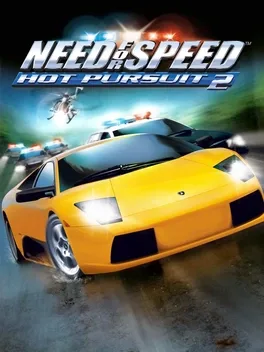
Need for Speed: Hot Pursuit 2
Introduction
Need for Speed: Hot Pursuit 2, often referred to by fans as NFS:HP2, marked a triumphant return to form for Electronic Arts’ premier racing franchise. Released in 2002, this title steered the series back to its high-octane arcade roots, moving away from the more simulation-heavy approach of its immediate predecessor. It prioritized raw speed, exotic locations, and the thrill of the chase, effectively serving as a sequel to the 1998 classic, Need for Speed III: Hot Pursuit. By focusing on the intense dynamic between street racers and law enforcement, the game recaptured the imagination of a generation, solidifying its place as a cornerstone of the sixth-generation console era.
Story & Setting
While the game does not feature a traditional character-driven narrative, it immerses players in a world of elite illegal street racing where the stakes are as high as the speedometer. Known in French-speaking regions as Need For Speed : Poursuite Infernale 2, the game transports players across a variety of scenic, open-environment tracks. From the sun-drenched coastal paths and dense, mystical forests to the winding mountain roads and autumn-themed vistas, the setting is designed to showcase the power of exotic supercars. The world is a playground for those who live for the rush of outrunning the law, where every shortcut and cliffside jump serves as a tool for survival.
Gameplay
At its core, Need for Speed: Hot Pursuit 2 is about the relationship between the driver, the car, and the rearview mirror. The game features two primary modes: "World Championship," where players compete in standard races to prove their skills, and the titular "Hot Pursuit" mode. In the latter, racing is only half the battle; you must also evade a persistent and aggressive police force. The AI-controlled law enforcement is relentless, employing tactics such as road blocks, spike strips, and even calling in attack helicopters equipped with heat-seeking missiles. If the cops manage to pin you down three times, the race is over.
Players have access to an incredible roster of licensed vehicles, ranging from the Ferrari F50 and McLaren F1 to icons from Porsche, BMW, Lotus, and Mercedes. The gameplay rewards stylish and daring driving. Performing massive jumps, dodging oncoming civilian traffic, and winning races earns you points. These points are the game's currency, allowing you to unlock more powerful cars and advanced versions of the tracks. The arcade physics allow for spectacular drifts and high-speed maneuvers that make every race feel like a scene from a Hollywood blockbuster.
This game was released on several major platforms of its time, ensuring that racing fans could enjoy the experience regardless of their console preference.
Legacy
Need for Speed: Hot Pursuit 2 is often cited as the bridge between the "classic" era of the series and the "tuner" era that began with Underground. It was particularly significant for its technical achievements; the PlayStation 2 version, developed by EA Black Box, is widely considered the definitive version due to its superior physics engine and graphical fidelity. Its success paved the way for the series' continued dominance in the 2000s and remains a favorite for retro gaming enthusiasts who miss the pure, unadulterated joy of outrunning the law in a multi-million dollar supercar.
Fun Facts
- The game features a high-energy licensed soundtrack, including the iconic track "Going Down on It" by Hot Action Cop, which became synonymous with the game's high-speed chases.
- This was the last Need for Speed game for several years to feature Ferrari vehicles, as the licensing agreement changed shortly after its release.
- The PlayStation 2 version of NFS:HP2 was the first game in the series developed by Black Box Games, who would go on to develop most of the franchise’s most famous entries over the next decade.
- Depending on the region, the game might be identified on the box art simply as NFS:HP2, highlighting the strong branding of the Hot Pursuit sub-series.