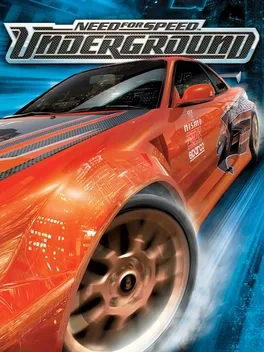
Need for Speed: Underground
Introduction
Need for Speed: Underground, often referred to by fans as NFSU or NFSUG, marked a seismic shift in the racing genre when it hit the streets in 2003. Deviating from the series' roots of high-end exotic supercars and police chases, this seventh installment focused on the burgeoning import tuner culture. It wasn't just a game; it was a cultural phenomenon that captured the essence of the early 2000s street racing scene, popularized by films like The Fast and the Furious. By rebooting the franchise, EA Black Box delivered an experience that felt grounded yet exhilarating, trade-marking the neon-drenched aesthetic that would define the era. The game successfully traded the rolling hills of previous titles for the gritty, rain-slicked pavement of urban night racing.
Story & Setting
The game is set in the fictional Olympic City, a sprawling metropolis that glows under the moonlight and street lamps. Unlike previous entries, Need for Speed: Underground introduced a narrative-driven career mode. You play as a newcomer looking to make a name for yourself in the illegal street racing circuit. Guided by Samantha, a veteran racer, you climb the ranks of the city's underground scene, eventually facing off against the primary antagonist, Eddie, and his gang, the Eastsiders. The story is told through pre-rendered cutscenes and interactions, giving the player a sense of progression and personal stakes as they earn respect and move up the rankings. The setting remains exclusively nocturnal, enhancing the underground vibe and making every race feel like a secret, illicit gathering.
Gameplay
The core of NFS Underground (or NFSUG) revolves around high-speed urban racing across several event types: Circuit, Sprint, Drag, and the fan-favorite Drift mode. Drag racing tests your timing with manual shifts and nitrous management, while Drift mode challenges you to maintain controlled slides to rack up points. However, the most revolutionary aspect was the garage. This was the first game in the series to offer deep customization. Players could modify their cars with licensed performance parts and an array of visual upgrades, including wide-body kits, spoilers, neon lights, and elaborate vinyl wraps. Whether you were driving a Honda Civic or a Nissan Skyline, the ability to personalize your ride made every victory feel more personal, as the car reflected the player's unique style.
This game was released on several platforms, including the Xbox, PlayStation 2, and Nintendo GameCube.
Legacy
The impact of NFSU cannot be overstated. It was a massive commercial success, selling millions of copies and revitalizing a franchise that had begun to feel stagnant. It shifted the industry's focus toward car culture and customization, influencing countless racing titles that followed. The game's soundtrack, featuring a high-energy mix of hip-hop, metal, and electronic music (including the iconic "Get Low"), became legendary and is still synonymous with the title today. By moving away from the exotic formula, the series found a new identity that resonated with a younger, broader audience, leading directly to the equally successful Underground 2 and Most Wanted. It remains a gold standard for urban racing games.
Fun Facts
- Despite being titled "Underground," the game featured a roster of real, licensed cars that were far more accessible than the Lamborghinis of previous games, though players could still reach blistering speeds.
- The game completely removed the police, a staple of the series, to focus entirely on the street racing culture and tuner lifestyle.
- Samantha’s car is a heavily modified Honda Civic Si, which has since become one of the most recognizable vehicles in the entire franchise history.
- The developers at EA Black Box used a motion blur effect during high speeds to simulate the tunnel vision experienced by real street racers, a technique that quickly became a standard in the genre.