Encontrado 1 artículo(s) en venta
-
Games
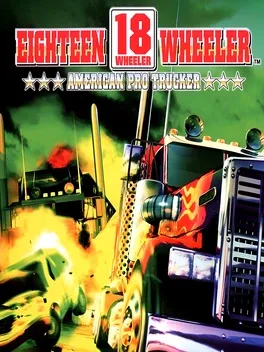
18 Wheeler: American Pro Trucker
Vendedor: retrogameplace
País de origen: Spain
Estado: loose
Imagen deEnviar un mensaje a
Introduction Story & Setting Gameplay Platforms Legacy Fun Facts
Sega has a long history of turning niche hobbies into high-octane arcade experiences. One of the most memorable examples from the turn of the millennium is 18 Wheeler: American Pro Trucker. Often referred to simply as 18 Wheeler, this title captures the rugged, high-stakes world of long-haul trucking and condenses it into a frantic race against time. Developed by the legendary Sega AM2 team, the game focuses on the raw power of semi-trucks, challenging players to navigate busy highways while hauling massive loads. Whether you are a fan of traditional racing games or looking for a unique vehicular challenge, this title delivers a distinct arcade flavor that remains iconic to this day.
The narrative of the game is straightforward but effective: you are a professional trucker tasked with delivering goods across the expansive landscapes of the United States. Your journey begins in the tropical environment of Key West, Florida, and embarks on a cross-country trek that takes you through the heart of the country, eventually concluding on the steep, winding streets of San Francisco, California. The setting provides a sense of scale as you move through major stages representing different regions of America. Along the way, you aren't just fighting the clock; you are also contending with your fierce rival, a trucker known as "Lizard Tail." This rivalry adds a personal stake to the journey, as Lizard Tail will do everything in his power to beat you to the destination and claim the glory for himself.
The core gameplay of 18 Wheeler: American Pro Trucker is a race against time. Each stage requires you to reach the finish line before the timer hits zero. To aid in this, players can ram into special "bonus vans" scattered throughout the traffic, which add three precious seconds to the countdown. At the start of the game, players choose from several characters, each possessing a truck with unique attributes in speed, torque, and handling. This allows for various playstyles depending on whether you prefer raw power or maneuverability.
Strategy plays a significant role through the trailer selection system introduced after the first stage. Players are presented with two choices: a heavier or more cumbersome trailer that offers a massive financial payoff, or an easier-to-haul alternative with a smaller reward. As you drive, you must be careful; every collision results in money being deducted from your total earnings. To maximize efficiency, players can use the truck's horn to force smaller cars to pull over and yield. Additionally, the game features a "slipstream" mechanic, where drafting behind large vehicles allows you to gain a momentary speed boost. Between the main driving stages, players participate in a parking mini-game, where precision maneuvering can earn extra cash for truck upgrades.
This game was released on several platforms, including the Dreamcast, PlayStation 2, and Nintendo GameCube.
The legacy of 18 Wheeler lies in its successful transition from specialized arcade cabinets to home consoles. Famous for its massive steering wheel in the arcades, its console ports helped define the "Sega style" of the early 2000s: bright visuals, catchy music, and pick-up-and-play mechanics. It paved the way for other trucking titles and remains a cult favorite for those who appreciate the arcade-style racing era. Even decades later, its influence is still felt in games that attempt to blend heavy-duty vehicle physics with fast-paced, competitive objectives.
Games
18 Wheeler: American Pro Trucker
Vendedor: retrogameplace
País de origen: Spain
Estado: loose