Sailor Moon
Introduction
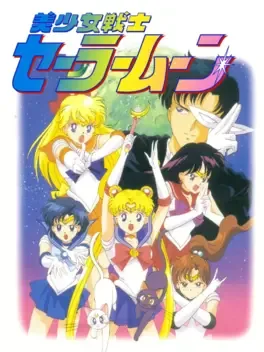
In the early 1990s, the magical girl genre was redefined by the arrival of a cultural phenomenon that blended shoujo romance with sentai-style action. While the anime and manga took the world by storm, the interactive medium was not far behind. Developed by Angel in 1993, the side-scrolling beat 'em up known as Sailor Moon (or Bishoujo Senshi Sailor Moon in Japan) brought the sparkle and steel of the Sailor Guardians to home consoles. During an era dominated by gritty brawlers like Final Fight and Streets of Rage, this title offered a vibrant, colorful alternative that allowed fans to step into the boots of their favorite heroines. Whether you were a fan of the source material or a dedicated retro gamer, this title remains a fascinating snapshot of 16-bit licensed gaming history.
Story & Setting
The game is set during the first major story arc of the franchise, specifically focusing on the battle against the Dark Kingdom. The narrative follows the five original Sailor Guardians—Sailor Moon, Sailor Mercury, Sailor Mars, Sailor Jupiter, and Sailor Venus—as they protect the city of Tokyo from Queen Beryl's malevolent forces. Players travel through iconic locations from the anime, including the bustling streets of Juuban, the D Point in the Arctic, and the crystalline depths of the Dark Kingdom’s lair. The goal is simple but high-stakes: defeat the various Youma (monsters) sent to harvest human energy and ultimately stop Queen Beryl and her generals from plunging the world into eternal darkness.
Gameplay
At its core, Sailor Moon is a classic "belt-scroller" beat 'em up. Players can choose from any of the five main protagonists, each featuring unique stats and signature moves. Sailor Jupiter, for instance, provides raw power and physical strength, while Sailor Mercury relies on faster, more tactical strikes. Every character has a standard combo, a jump attack, and a powerful "Special" move that consumes a portion of their health—true to the genre's conventions.
One of the most charming elements of the gameplay is the inclusion of Tuxedo Mask, who occasionally appears to toss a rose at enemies, providing much-needed assistance during difficult encounters. While the Super NES version focused on a more traditional arcade feel, the Mega Drive version, developed by Ma-Ba, featured slightly different level layouts and exclusive boss fights, despite recycling several sprites and assets from the SNES original. Both versions offered a cooperative two-player mode, which became the preferred way for fans to experience the game, as it allowed for team-based strategies against the waves of minions.
This game was released on several platforms, including the Super Famicom and the Sega Mega Drive.
- SUPER FAMICOM: NTSC-J
- SEGA MEGA DRIVE/GENESIS: NTSC-J
- SUPER NINTENDO ENTERTAINMENT SYSTEM: PAL
Legacy
Sailor Moon occupies a unique space in gaming history, particularly regarding its localization. While most anime-based games of that era remained trapped in Japan, the Super Nintendo version received a rare European localization in 1994, specifically for the French market. This made it a coveted import item for English-speaking fans for decades. Historically, it proved that the "magical girl" aesthetic could work within the traditionally masculine beat 'em up genre. Today, the game is remembered fondly for its excellent soundtrack and faithful recreation of the anime’s art style, serving as a precursor to the many Bishoujo Senshi Sailor Moon sequels and spin-offs that would follow across the 32-bit era and beyond.
Fun Facts
- Regional Exclusivity: The SNES version was localized in French as Sailor Moon: La Légende d'Argent, making it one of the few instances where a Japanese game was translated into French but not English for the PAL region.
- The Ma-Ba Connection: The Mega Drive version was developed by Ma-Ba, a company formed as a joint venture between Bandai and Mattel.
- Sprite Recycling: If the Mega Drive version looks familiar, it’s because it recycled many character sprites directly from the Super Famicom version, though the backgrounds and music were reworked to fit the Sega hardware.
- Hidden Bosses: The Mega Drive version features a boss battle against the DD Girls, which was a significant moment in the anime’s first season finale but was simplified in the SNES port.