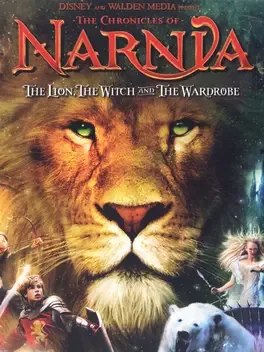
The Chronicles of Narnia: The Lion, the Witch and the Wardrobe
Table of Contents
Introduction
In the mid-2000s, the magical world of C.S. Lewis’s classic literature was brought to life on the silver screen by Walt Disney Pictures and Walden Media. To accompany this cinematic event, a high-ambition video game adaptation was released, allowing fans to step through the wardrobe themselves. Known internationally by various names, such as "Die Chroniken von Narnia: Der König von Narnia" in German-speaking regions and "Le Monde de Narnia : Le Lion, la Sorcière blanche et l'Armoire magique" in French territories, the game aimed to capture the epic scale and heart of the beloved book series. It offers a blend of action, puzzles, and cooperative play that mirrors the bond between the four Pevensie siblings as they fight to save a magical realm from eternal frost.
Story & Setting
The game transports players to the mystical land of Narnia, which has been trapped in a perpetual state of winter for a hundred years. This frigid captivity is the work of the malevolent White Witch, a powerful sorceress who has usurped the throne and suppressed the rightful citizens of the land. According to an ancient prophecy invoked by the mighty lion Aslan—the true ruler of Narnia—the end of the Witch's reign can only be brought about by four children from our world.
Players take on the roles of the Pevensie siblings: Peter, Susan, Edmund, and Lucy. After discovering the entrance to Narnia through a mysterious wardrobe in an old country house, they realize it is their destiny to fulfill the prophecy. Their journey takes them through iconic locations from the film and book, from the lamp-post in the snow to the stone table and the site of the Great Battle, all while being pursued by the Witch's secret police and magical agents.
Gameplay
The core of the experience lies in the cooperative dynamic between the four protagonists. Each sibling possesses unique combat skills, weaponry, and abilities that are essential for progressing through the levels. Peter is the heavy hitter, using his sword and strength to break obstacles and fend off large groups of enemies. Susan utilizes her archery skills to hit distant targets and play her magical pipe to put enemies to sleep. Edmund is a nimble fighter who can climb trees and perform agile attacks, while young Lucy can crawl into tight spaces, heal her siblings, and even tame large creatures to ride them into battle.
Teamwork is vital, as the game features "Team-Up" moves where two characters combine their powers to perform devastating attacks or solve environmental puzzles. Players must wage war against a vast variety of creatures from the Witch’s army, including Centaurs, Minotaurs, Minoboars, Cyclops, and Werewolves. The combat also involves facing more ethereal or pesky threats like Wraiths, Ankleslicers, Wolves, Satyrs, and Boggles. This diversity in enemy types forces players to constantly switch characters and adapt their strategies to survive the onslaught of the White Witch's forces.
This game was released on several major home consoles, providing a consistent high-fidelity experience across the leading hardware of the time.
Legacy
Developed by Traveller's Tales—a studio that would later become legendary for their work on the LEGO video game franchise—The Chronicles of Narnia: The Lion, the Witch and the Wardrobe was praised for its production values. At a time when movie-licensed games often felt rushed, Narnia stood out for its use of actual film footage, an epic orchestral score, and voice acting that channeled the spirit of the cast. It successfully translated the themes of sacrifice, bravery, and family found in C.S. Lewis’s work into an interactive format. For many players of that generation, the game served as a primary gateway into the broader fantasy genre, proving that licensed titles could offer deep, engaging gameplay mechanics beyond simple movie tie-ins.
Fun Facts
- The game features an impressive amount of footage taken directly from the 2005 film, seamlessly integrated into the narrative flow.
- Some members of the original film cast provided their voices and likenesses to ensure the characters felt as authentic as possible to the movie experience.
- Before finding massive success with the LEGO series, Traveller’s Tales used this project to refine many of the character-swapping and cooperative puzzle mechanics that would later define their signature style.
- The creature designs were heavily inspired by the work of Weta Workshop, the same studio responsible for the stunning visuals in the film.