Encontrado 1 artículo(s) en venta
-
Games
Enviar un mensaje a
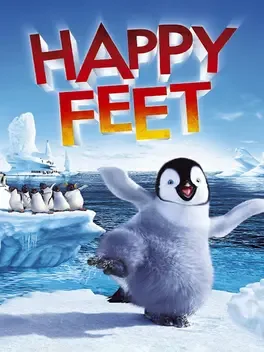
The mid-2000s saw a massive wave of animated films making the jump to home consoles, and "Happy Feet" was one of the most charming entries in this trend. Released in 2006 to coincide with the Academy Award-winning film of the same name, this game invites players to experience the sub-zero temperatures of Antarctica through the perspective of a unique little penguin named Mumble. Unlike the classic movie tie-ins that focused strictly on platforming, Happy Feet took a more rhythmic approach, capturing the musical soul of George Miller's cinematic vision. It is a game that prioritizes rhythm, coordination, and atmosphere, ensuring that players of all ages can appreciate the rhythmic journey of an outcast finding his place in a musical world through the sheer power of dance.
The narrative of Happy Feet closely follows the plot of the animated film, set in the majestic and icy landscapes of Antarctica. In this world, Emperor Penguins are defined by their "Heartsong"—a unique musical expression used to attract a lifelong soulmate. The story centers on Mumble, a young penguin who is born without the ability to sing. Despite being the son of two talented vocalists, Mumble's voice is grating to the ears of his peers. However, what he lacks in vocal prowess, he makes up for with an extraordinary talent for tap dancing. The game explores Mumble's journey as he navigates a society that views his "happy feet" as a strange eccentricity rather than a gift. Throughout the game, players interact with familiar characters like Gloria, Mumble's love interest, and the hilarious Adelie Amigos led by Ramon. The setting is a vibrant, blue-and-white expanse that captures the isolation and beauty of the polar region, providing a backdrop for Mumble's quest to find a song that warms the heart.
Gameplay in Happy Feet is divided into three distinct modes, each reflecting a different aspect of penguin life as seen in the movie. The core of the experience is the dancing mode, a rhythm-based mini-game where players must press buttons in time with the music. These sequences are essential for Mumble to impress his peers and progress through the story. The second major component is the "Belly Sledding" levels. These high-speed racing sequences see Mumble sliding down icy slopes, avoiding obstacles, and collecting items to earn high scores. These sections provide a sense of momentum and excitement, contrasting with the more calculated rhythm sections. Finally, the game features underwater swimming segments. In these missions, Mumble must navigate the frigid depths of the ocean to escape predators like leopard seals and orcas. By combining these three mechanics—rhythm, racing, and evasion—the game offers a varied experience that mirrors the adventurous spirit of the film while keeping young players engaged with accessible controls.
This game was released on several platforms, including the PlayStation 2 and Nintendo GameCube, allowing fans of the film to play on their preferred hardware.
The legacy of Happy Feet as a video game is tied closely to the success of the film itself. While many movie-based games of that era were criticized for being rushed, Happy Feet was noted for its energetic soundtrack and its ability to capture the specific vibe of the movie. It served as an entry point for many younger gamers into the rhythm genre, which was booming at the time thanks to titles like Dance Dance Revolution. While it did not reinvent the wheel, its focus on non-violent gameplay and musical expression gave it a positive reputation among parents and fans of the franchise. It remains a nostalgic piece of software for those who grew up during the peak of the 3D animated film tie-in era, representing a time when every major theatrical release had a substantial presence on home consoles.
Interestingly, while the game features many of the songs from the film, the developers had to work closely with music supervisors to ensure the rhythm mechanics synced perfectly with the licensed tracks. The game was developed by A2M (Artificial Mind and Movement), a studio well-known for their work on various licensed properties during the 2000s. Another interesting tidbit is that although the game is primarily known simply as Happy Feet, it is occasionally referred to as Happy Feet: The Video Game in marketing materials to distinguish it from the official soundtrack. Additionally, the game’s "Belly Sledding" mechanics were often compared by fans to the snowboarding games of the era, such as SSX, albeit with a much more kid-friendly difficulty curve and thematic focus.
Games