Monster House
Introduction
In the mid-2000s, the landscape of animated cinema was undergoing a significant transformation, and with it came a wave of tie-in video games that allowed fans to step directly into their favorite movie worlds. One of the more unique entries from this era is Monster House. Released in 2006 to coincide with the hit motion-capture film produced by Steven Spielberg and Robert Zemeckis, the game offered a spooky, action-packed adventure that captured the eerie essence of a suburban legend. While many licensed titles from that period felt like rushed afterthoughts, Monster House managed to carve out its own identity by blending survival horror elements with kid-friendly mechanics. It created a "Baby's First Resident Evil" vibe that resonated with younger gamers looking for a thrill, making it a standout title in the library of movie adaptations.
Story & Setting
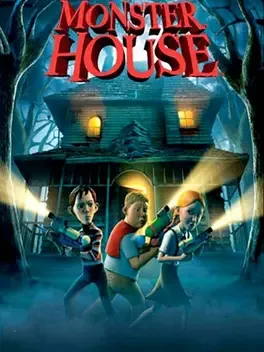
The narrative of Monster House follows the plot of the film closely, centering on three neighborhood kids: DJ, Chowder, and Jenny. The trio discovers a terrifying secret—the dilapidated house across the street, owned by the grumpy old man Nebbercracker, is actually a living, breathing, and very hungry organism. With Halloween just around the corner, the kids realize that the house plans to devour any trick-or-treaters who dare to step onto its lawn.
The setting is primarily confined to the interior of the house itself. Once the children are swallowed by the structure, they find themselves in a surreal, distorted version of a home. Hallways stretch unnaturally, and everyday household items take on a malevolent life of their own. The mission is clear: explore the belly of the beast, uncover the tragic secret of Constance—Nebbercracker's late wife whose spirit inhabits the house—and find a way to stop the structure from the inside before it is too late. The atmosphere is thick with tension, effectively turning a familiar suburban environment into a claustrophobic nightmare.
Gameplay
The core gameplay of Monster House is a third-person action-adventure with a heavy emphasis on shooting and light puzzle-solving. Players take control of the three protagonists, often switching between them to utilize their specific abilities. The primary weapon used against the house's manifestations is the Water Blaster. These are not just toys; they are essential survival tools that can be upgraded throughout the game to increase range, power, and capacity.
Combat involves fending off possessed furniture, such as aggressive flying chairs, snapping floorboards, and malevolent light fixtures. Each room acts as a miniature gauntlet where players must clear enemies or solve environmental puzzles to progress deeper into the house. The game also incorporates a camera mechanic for stunning enemies, adding a tactical layer to the encounters. Health is managed through collecting soda cans, maintaining the youthful theme of the adventure. The tension is consistently high, as the house can attack at any moment, shifting its layout or attempting to crush the players with its internal architecture.
This game was released on several platforms, including the PlayStation 2 and Nintendo GameCube.
Legacy
Monster House stands as a nostalgic relic of the sixth generation of consoles. While licensed games have largely shifted toward mobile platforms or high-budget adaptations like those seen with major comic franchises today, Monster House represents a time when every major film release was accompanied by a solid, dedicated console experience. It is remembered fondly by those who played it for its surprisingly dense atmosphere and its ability to provide legitimate scares without resorting to excessive violence. The game’s developer, Artificial Mind and Movement, showcased their ability to take a cinematic IP and translate it into a functional and engaging mechanical experience that respected the source material.
Fun Facts
- The game was developed by Artificial Mind and Movement (A2M), the same studio that would later rebrand and develop the massive multiplayer horror hit Dead by Daylight.
- Unlike many other games based on animated films, the Monster House game attempted to mirror the unique motion-capture aesthetic of the movie, giving the character models a distinct, slightly uncanny look.
- The Water Blasters in the game were heavily inspired by the Super Soaker craze, which was still a significant part of childhood culture at the time of the movie's release.
- The PlayStation 2 version of the game was often praised for having better lighting effects compared to other ports, which helped enhance the spooky atmosphere of the house's interior.