NBA 2K3
Introduction
Story & Setting
Gameplay
Platforms
Legacy
Fun Facts
Introduction
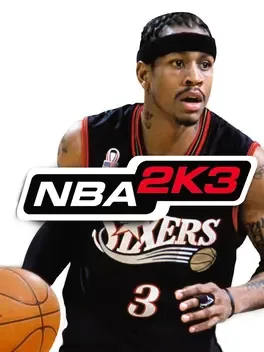
In the early 2000s, the battle for basketball video game supremacy reached a fever pitch. At the forefront of this digital rivalry was NBA 2K3, a title that established Sega and Visual Concepts as serious contenders against the established giants of the genre. Released in October 2002, this installment, also known by its alternative name NBA 2003, brought a level of grit and authenticity that resonated with fans of the sport. Featuring the legendary Allen Iverson of the Philadelphia 76ers as the cover athlete for the fourth consecutive time, the game signaled an era where presentation and simulation depth were paramount. Whether you were a casual fan or a hardcore strategist, NBA 2K3 offered an immersive experience that captured the high-energy atmosphere of the professional league in stunning detail for its time.
Story & Setting
While sports games do not have traditional narratives, NBA 2K3 is deeply rooted in the setting of the 2002-2003 NBA season. This was a transitional period for the league, characterized by the dominance of the Los Angeles Lakers and the emergence of new stars that would define the decade. The game meticulously recreates the thirty NBA arenas of the time, capturing the unique lighting, floor textures, and crowd dynamics that defined each city’s home-court advantage. The "setting" here is the global stage of professional basketball, where players can step into the shoes of their idols and navigate the grueling journey of an 82-game season. The inclusion of classic teams and legendary players also adds a layer of historical depth, allowing gamers to relive iconic matchups from different eras of the sport, bridging the gap between current stars and the icons of the past.
Gameplay
NBA 2K3 was celebrated for its refined gameplay mechanics that pushed the boundaries of what was possible on sixth-generation consoles. The core of the experience was built around a sophisticated simulation engine that prioritized realistic player movement and ball physics. One of the standout features was the improved "Isomotion" system, which gave players unprecedented control over crossovers, spins, and step-back jumpers, mirroring the real-life agility of stars like Allen Iverson. This made the offensive game feel fluid and rewarded players for learning the specific timing of each athlete's moves.
Beyond the on-court action, the game featured a robust Franchise mode. Here, players took on the role of a General Manager, handling everything from drafting rookies and trading veterans to managing team chemistry and scouting talent. This strategic layer complemented the fast-paced gameplay, offering a comprehensive look at the business side of basketball. Additionally, the game introduced a "Street" mode, allowing for more casual, playground-style games in urban settings, providing a stylistic contrast to the polished hardwood of the NBA arenas. The presentation was also a major highlight, utilizing an ESPN-style broadcast overlay that made every game feel like a televised event, complete with detailed replays and insightful commentary that was ahead of its time.
NBA 2K3 was available on the leading home consoles of its era, ensuring that fans across different ecosystems could enjoy the latest in basketball simulation.
Legacy
The legacy of NBA 2K3 is multifaceted. Within the context of the series, it represents the final time a 2K basketball title would appear on a Nintendo GameCube, marking the end of an era for Nintendo-owning sports fans. It was also a critical stepping stone in the series' ascent to becoming the dominant basketball franchise in the world. By focusing on deep simulation and high-quality presentation, Visual Concepts laid the groundwork for the features that define modern sports gaming today. The rivalry between the 2K series and NBA Live was at its most productive during this time, with NBA 2K3 often being cited as the superior choice for those seeking a more realistic representation of the sport. It proved that the 2K brand was here to stay, eventually leading to its eventual status as the industry standard.
Fun Facts
- This was the fourth and final time Allen Iverson appeared as the cover athlete for the NBA 2K franchise, setting a record for consecutive appearances at the time.
- Despite being the fourth installment in the main series, some international markets and marketing materials occasionally referred to the game by its alternative title, NBA 2003.
- The game was released across three consecutive days in October 2002: October 7 for the GameCube, October 8 for the PlayStation 2, and October 9 for the Xbox.
- NBA 2K3 was one of the first games in the series to heavily emphasize its partnership with ESPN, incorporating many elements of the network's actual television graphics and audio cues.