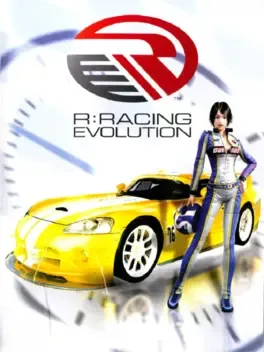
R: Racing Evolution
Introduction
Developed and published by Namco in 2003, R: Racing Evolution represented a significant tonal shift for the studio known for the high-octane, drift-heavy Ridge Racer series. Marketed in some regions as R: Racing Evolution - Live in the Fast Lane, this title aimed to blend the accessible arcade excitement Namco was famous for with a more grounded, simulation-oriented approach. It stood out in a crowded market dominated by giants like Gran Turismo and Burnout by offering a unique narrative-driven career mode, a rarity for racing titles of its era. Whether you were a fan of professional circuit racing or rugged off-road rallies, the game promised a comprehensive automotive experience that catered to a wide variety of tastes and skill levels across the globe.
Story & Setting
Unlike most racing games that simply drop players behind the wheel of a generic car, R: Racing Evolution places a heavy emphasis on its protagonist, Rena Hayami. The narrative begins with Rena working as a humble ambulance driver. Her life takes a dramatic turn when, while rushing a patient to the hospital in a high-speed emergency, her exceptional driving skills catch the eye of a veteran racing manager. Impressed by her ability to navigate high-pressure situations with surgical precision, he offers her a chance to trade her sirens for a professional racecar.
The story unfolds through the "Racing Life" mode, where players follow Rena's journey through the professional racing circuit. The setting transitions from urban streets to world-renowned tracks and dusty rally courses. Throughout the campaign, Rena faces off against various rivals, most notably the formidable Gina Cavalli. This character-driven approach gives the player a sense of progression and personal stakes that goes beyond just crossing the finish line first, making the career feel like a cinematic journey rather than a simple checklist of races.
Gameplay
R: Racing Evolution features a sophisticated blend of mechanics designed to challenge both novices and veterans. The core gameplay revolves around licensed vehicles and diverse racing disciplines, including GT racing, rally, and even drag racing. One of the game's standout features is the Interactive Driver AI System. This mechanic introduces a Pressure Meter that appears above rival cars. By tailing opponents closely or driving aggressively, you can increase their stress levels, eventually causing them to make mistakes, overshoot corners, or spin out.
The handling model leans towards realism without sacrificing the thrill of speed. Players can earn points through clean driving and successful maneuvers, which are then used to unlock new cars and upgrades. The inclusion of officially licensed manufacturers—ranging from Honda and Mazda to European giants like Audi and BMW—adds an extra layer of authenticity to the experience. Each discipline requires a different approach to physics and tuning, keeping the gameplay loop fresh throughout the long campaign.
This title was released across the major sixth-generation consoles, ensuring that fans of different hardware could experience Rena's journey.
Legacy
R: Racing Evolution occupies a unique spot in gaming history. While it didn't quite achieve the blockbuster status of its cousin Ridge Racer, it is remembered fondly for its attempt to humanize the racing genre. Critics at the time praised its presentation and the innovative Pressure system, though some found the physics to be caught awkwardly between arcade fun and simulation rigor. Today, it is viewed as a bold experiment by Namco—a bridge between their arcade roots and the growing demand for realistic motorsport titles. Its influence can be felt in later racing games that tried to integrate cinematic storytelling into the career experience, proving that there was a market for character-driven motorsports.
Fun Facts
- The Nintendo GameCube version of the game was particularly notable because it came bundled with a bonus disc featuring Pac-Man Vs., a multiplayer game designed by Shigeru Miyamoto.
- The game's soundtrack was composed by Namco's legendary internal sound team, featuring veteran artists who worked on the Tekken and Ridge Racer series.
- Rena Hayami has since become a cult favorite character, making cameo appearances in other Namco-related media and crossover games like the mobile title Ridge Racer Draw & Drift.
- The Pressure system was a precursor to similar "intimidation" mechanics found in later racing franchises like Grid.