Encontrado 2 artículo(s) en venta
-
Games
Enviar un mensaje a
-
Games
Enviar un mensaje a
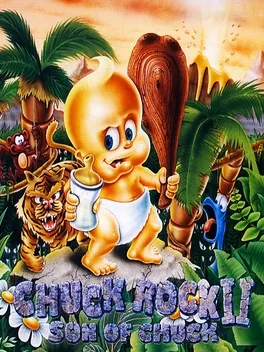
In the golden era of 16-bit gaming, few mascots were as eccentric as the belly-bumping caveman Chuck Rock. However, for the sequel, the developers at Core Design decided to shift the spotlight to the next generation. Released as Chuck Rock II: Son of Chuck (and known in Japan as チャックロックII), this 1993 follow-up refined the prehistoric formula of its predecessor. Moving away from the original protagonist, the game introduces us to his infant son, Junior, who proves to be every bit as capable—and arguably more dangerous—than his father. With its vibrant animations, slapstick humor, and whimsical take on the Stone Age, the game solidified its place as a cult classic of the early nineties, offering a more polished experience than the first title.
The narrative picks up shortly after the events of the original game. Chuck Rock, now a successful businessman in the rock-mining industry, has been kidnapped by his jealous rival, Brick Jagger. Brick is envious of Chuck's success and decides that the best way to eliminate the competition is to make him disappear. This leaves Chuck’s wife, Ophelia, in distress, but their toddler son, Junior, isn't about to sit idly by. Armed with nothing but a wooden club and his diaper, Junior sets off on a cross-country trek through dinosaur-infested jungles, volcanic caves, and underwater caverns to bring his father home. The setting is a delightful "pre-history" world where dinosaurs are used as domestic tools and the landscape is filled with pun-heavy Stone Age technology, such as rock-based automobiles and prehistoric appliances.
Chuck Rock II: Son of Chuck is a quintessential side-scrolling platformer, but it introduces several mechanical changes that differentiate it from the original. While the first game relied heavily on Chuck’s "belly-butt" attack and rock-throwing puzzles, Junior wields a large wooden club. This club gives him a wider range of attack and allows for more aggressive combat against the diverse cast of prehistoric enemies.
Level design in the sequel is significantly more varied and imaginative. Players navigate through tricky platforming sections that often involve physics-based puzzles, such as riding on the backs of various creatures or using environmental objects to reach higher ledges. Junior can also swing from vines and use his club to interact with specific machinery. The game features memorable boss encounters, ranging from massive carnivorous plants to rival cavemen in mecha-style rock suits. A notable addition in the CD-based releases is the inclusion of high-quality audio and animated cutscenes that add a layer of production value rarely seen in platformers of that era.
This game was released on several platforms, including the Sega CD, Mega Drive/Genesis, Game Gear, and the Master System.
Developed by Core Design, the studio that would later achieve global fame with the Tomb Raider series, Chuck Rock II is often cited as one of the peak examples of the "mascot platformer" craze. While it didn't quite reach the commercial heights of Sonic or Mario, it was highly regarded for its high-quality sprite work and distinct personality. Critics at the time praised the game for its improved controls over the original and its charming, colorful visuals. Today, it remains a beloved piece of Sega history, representing a time when developers were encouraged to embrace absurd premises and character-driven gameplay. The game's influence can be seen in later platformers that prioritized environmental interaction and character-based weaponry.
Games
Games