Encontrado 1 artículo(s) en venta
-
Games
Enviar un mensaje a
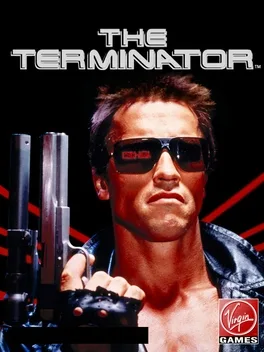
In the early 1990s, the video game industry was heavily defined by the competitive landscape between Sega and its rivals. One of the most significant battlegrounds was the quality of movie-licensed titles. "The Terminator," specifically the versions developed for Sega's family of consoles, stands out as a gritty, atmospheric, and highly challenging tribute to James Cameron's 1984 sci-fi classic. Unlike many other adaptations that felt like generic reskins, the Sega versions of The Terminator captured the dark, industrial essence of the film, offering players a chance to relive the desperate struggle of humanity against an unyielding machine. It remains a highlight of the 16-bit and 8-bit eras, showcasing how tight design and a strong license could create a truly memorable action experience that felt authentic to its source material.
The game mirrors the narrative arc of the 1984 science fiction blockbuster. Players are thrust into the role of Kyle Reese, a battle-hardened soldier from a post-apocalyptic future where machines have risen to exterminate mankind. The story begins in the year 2029, amidst the ruins of Los Angeles, where the war against Skynet is at its peak. To save the future, Reese must travel back in time to modern-day 1984. His mission is singular and perilous: protect Sarah Connor, an unsuspecting woman whose yet-to-be-born son will lead the human resistance. The setting shifts from the neon-soaked, rain-slicked streets of 1980s L.A. to claustrophobic police stations and industrial complexes, all while being hunted by a brutal killing machine known as the Terminator. He's big, he's bad, and he's virtually unstoppable.
The Terminator is a side-scrolling action game that emphasizes both precise platforming and frantic combat. Across 10 huge main levels, players must navigate environments filled with heavy-hitting adversaries ranging from future-war hunter-killers to contemporary police officers and thugs. As Kyle Reese, you are equipped with hardcore weaponry, including rapid-fire machine guns and powerful grenades. The gameplay is famously difficult, reflecting the relentless nature of the Terminator itself. Players must manage their limited health and ammunition while outmaneuvering the titular cyborg, who appears as a recurring and terrifying boss. The level design is expansive, often requiring players to explore vertical spaces and find specific objectives to progress, ensuring that the mission feels like a true, desperate race against time against a machine that never sleeps.
This game was released on several platforms, including the Sega Mega Drive, the Master System, and the handheld Game Gear.
The Sega versions of The Terminator are often remembered more fondly than their counterparts on other systems. Developed by Probe Software and published by Virgin Games, the Genesis version in particular pushed the hardware's limits with its digitized graphics and moody color palette. It helped establish a standard for cinematic presentation in 2D platformers. Furthermore, the game’s soundtrack became a benchmark for the FM synthesis capabilities of the Sega Genesis hardware. Even decades later, the game is frequently cited in retrospectives of the 16-bit era as a successful example of a movie-to-game transition that didn't sacrifice its soul for commercial appeal. It remains a prized item for Sega collectors and a nostalgic touchstone for fans of the franchise who enjoy a significant challenge.
One of the most praised aspects of the Genesis version is its soundtrack, composed by the legendary Tommy Tallarico. He used a unique programming method to get high-quality samples out of the console’s sound chip, giving it a distinct industrial rock feel that perfectly suited the film's tone. Despite the game’s reputation for high difficulty and its 10 expansive levels, highly skilled players can actually complete the entire experience in under 20 minutes once they have mastered the enemy patterns. Interestingly, the Sega Master System and Game Gear versions are almost entirely different games from the 16-bit version, featuring their own unique level layouts and art assets to fit the 8-bit hardware, yet they still managed to retain the same oppressive atmosphere of the 1984 film.
Games