Encontrado 5 artículo(s) en venta
-
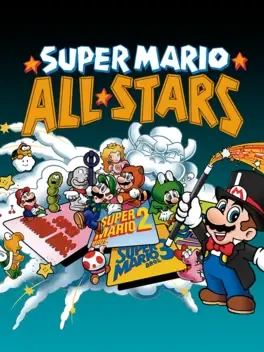
Super Mario All-Stars
Vendedor: retrogameplace
País de origen: Spain
Estado: loose
Descripción: Jeu Super Mario All Stars pour console Super Ninte... mostrar más Jeu Super Mario All Stars pour console Super Nintendo Découvrez l'univers de Super Mario comme jamais auparavant avec 'Super Mario All-Stars' sur Super Nintendo. Cette compilation inclut les premiers jeux de la série, superbement remasterisés en graphismes 16 bits. Revivez des aventures iconiques à travers Super Mario Bros., Super Mario Bros. 2, Super Mario Bros.: The Lost Levels, et Super Mario Bros. 3. Les effets sonores ont été améliorés, et vous pouvez sauvegarder votre progression à tout moment. Préparez-vous à sauter, courir et explorer des niveaux remplis de surprises et de défis astucieux. De plus, un mini-jeu inspiré de Mario Bros. est inclus pour des moments en duo. Un véritable retour aux sources pour les fans, ou une découverte captivante pour les nouveaux joueurs! mostrar menos
Imagen deEnviar un mensaje a
-
Super Mario All-Stars
Vendedor: retrogameplace
País de origen: Spain
Estado: loose
Descripción: Jeu Super Mario All Stars (Noe) pour console Super... mostrar más Jeu Super Mario All Stars (Noe) pour console Super Nintendo Super Mario All-Stars est une compilation de jeux vidéo emblématique des années 16 bits, regroupant Super Mario Bros., The Lost Levels, et Super Mario Bros. 3. Les joueurs incarnent Mario ou Luigi pour explorer des niveaux variés, collecter des power-ups, et affronter Bowser pour sauver la princesse Peach. L'expérience est nostalgique et attire les fans de tous âges avec ses graphismes colorés et son gameplay captivant. mostrar menos
Imagen deEnviar un mensaje a
-
Super Mario All-Stars
Vendedor: retrogameplace
País de origen: Spain
Estado: loose
Descripción: Jeu Super Mario All Stars Super Classic Series pou... mostrar más Jeu Super Mario All Stars Super Classic Series pour console Super Nintendo Revivez l'âge d'or du jeu vidéo avec Super Mario All Stars Super Classic Series sur Super Nintendo ! Cette collection emblématique inclut quatre jeux légendaires : Super Mario Bros., Super Mario Bros. 2, The Lost Levels, et Super Mario Bros. 3. Admirez des graphismes améliorés et des sons revigorants, avec une fonction de sauvegarde innovante pour une expérience de jeu moderne. Plongez dans des mini-jeux palpitants inspirés par Super Mario Bros. 3 et affrontez des défis astucieux à chaque niveau. Préparez-vous à vivre des aventures inoubliables dans l'univers magique de Nintendo ! mostrar menos
Imagen deEnviar un mensaje a
-
Super Mario All-Stars
Vendedor: retrogameplace
País de origen: Spain
Estado: loose
Descripción: Jeu Super Mario All Stars pour console Super Ninte... mostrar más Jeu Super Mario All Stars pour console Super Nintendo Découvrez Super Mario All-Stars, la perle rétro de la Super Nintendo avec des graphismes remastérisés et des sons 16 bits. Mario et Luigi reviennent pour émerveiller les fans d'hier et les aventuriers d'aujourd'hui. Missions épiques, rapprochement avec la Princesse Peach, sauvegardes intégrées et défis inédits. Un voyage temporel dans une aventure qui se réinvente ! mostrar menos
Imagen deEnviar un mensaje a
-
Super Mario All-Stars
Vendedor: retrogameplace
País de origen: Spain
Estado: loose
Descripción: Jeu Super Mario All Stars pour console Super Ninte... mostrar más Jeu Super Mario All Stars pour console Super Nintendo Revivez la magie des mondes enchantés avec Super Mario All Stars sur Super Nintendo ! Ce trésor vidéoludique réunit quatre classiques intemporels : Super Mario Bros., Super Mario Bros. 2, Super Mario Bros. 3, et l'inédit The Lost Levels, enfin disponible en Europe. Les graphismes 16 bits éclatants et les sons remasterisés enrichissent cette expérience inoubliable. Dans cet univers, l’inattendu est au rendez-vous avec des ennemis rusés et des plateformes audacieuses à dompter. Engagez-vous dans des batailles endiablées à deux joueurs, inspirées de Mario Bros., et mesurez-vous à vos amis dans des défis palpitants. Un véritable voyage nostalgique où Mario et compagnie n'attendent que vous pour des aventures épiques et mémorables ! Le Royaume Champignon n'a jamais été aussi captivant ! mostrar menos
Imagen deEnviar un mensaje a