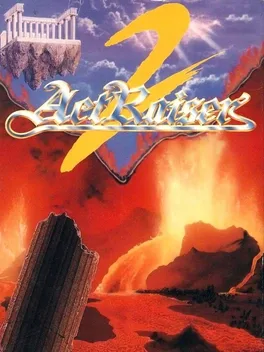
ActRaiser 2
Introduction
Released in 1993 for the Super Nintendo Entertainment System, ActRaiser 2 remains one of the most visually stunning and notoriously challenging titles in the console's library. Developed by the legendary studio Quintet and published by Enix, the game sought to refine the high-fantasy action that fans had glimpsed in the original title. Known in Japan as ActRaiser 2: Chinmoku he no Seisen and often referred to as ActRaiser 2: Crusade to Silence, this sequel took a bold departure from the hybrid genre-blending that made its predecessor a cult classic. By focusing entirely on its platforming elements, it offered a different kind of experience—one that emphasized technical precision and atmospheric storytelling over town-building strategy.
Story & Setting
The narrative of ActRaiser 2 is an epic struggle between light and darkness, drawing heavy inspiration from monumental religious epics like John Milton’s Paradise Lost and Dante Alighieri’s Divine Comedy. Players once again take the role of the Master, a god-like being who descends from his palace in the sky to purge the world of a rising evil. Interestingly, the game’s connection to the first ActRaiser is somewhat ambiguous; many plot details suggest it may be a prequel or perhaps set in an entirely different universe. The Master faces off against Tanzra—a fallen servant who rebelled against the light—and his demonic manifestations representing the seven deadly sins. The world is divided into various regions, each suffering under a different curse, creating a somber and mythic atmosphere throughout the journey.
Gameplay
In a significant shift from the first game, ActRaiser 2 focuses exclusively on side-scrolling platforming action. The